

The Best Gloves for Sweaty Hands
If you work in a job that requires gloves as a safety measure, there is no way around wearing them—but …
May 16, 2022
2 MIN READ


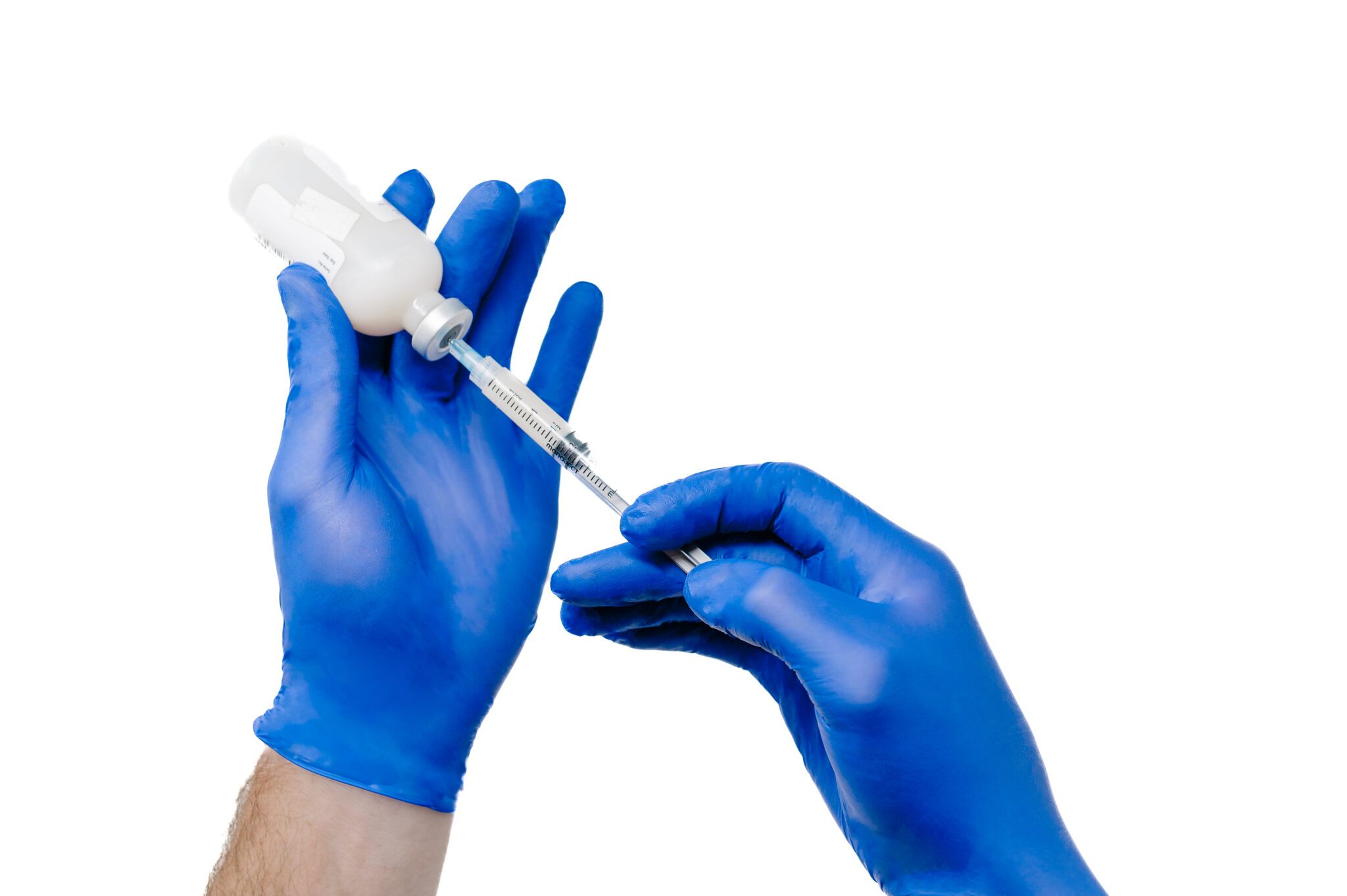
Chemical-resistant gloves must be selected based on the specific chemicals, exposure level, and task requirements, as no single material protects against all hazards. Options like nitrile, rubber, vinyl blends, and disposable gloves offer different levels of resistance and flexibility. Proper selection supports safety, compliance, and operational efficiency in lab and industrial environments.
Familiarizing yourself with chemical-resistant gloves starts with recognizing that no single glove protects against all substances. Different chemicals break down materials in different ways, which means glove selection must match exposure type, duration, and concentration levels.
Workers in labs, manufacturing, and processing facilities rely on gloves that maintain integrity under demanding conditions.
Hand protection is not just about preventing immediate irritation. Long-term exposure to certain chemicals can lead to skin damage, absorption risks, or contamination of sensitive materials.
That is why glove selection becomes part of broader safety planning rather than a simple supply decision.
Glove materials respond differently when exposed to solvents, acids, oils, and reactive compounds. Some materials degrade quickly, while others maintain structure under prolonged contact.
This is why procurement teams often evaluate nitrile gloves for chemical handling tasks. Nitrile resists many common industrial chemicals and offers consistent performance across a number of applications.
It also avoids latex-related sensitivity issues, which makes it more widely suitable for workplace environments.
Material selection directly influences how long gloves can safely be worn during exposure. A mismatch between glove type and chemical environment can result in degradation that is not always immediately visible.
Facilities involved in research or production must account for many chemical exposure levels. Tasks may include mixing, transferring, cleaning, or testing substances that differ in volatility and reactivity.
This is where gloves for chemical processing and lab work become necessary. These environments require gloves that balance dexterity with resistance, allowing workers to perform precise tasks without sacrificing safety.
Laboratory environments often demand frequent glove changes, especially when moving between substances. Even minor cross-contamination can affect results or compromise product integrity. Reliable glove performance helps maintain controlled conditions across procedures.
Short-duration tasks or low-risk exposure situations often rely on disposable gloves. These gloves support hygiene and contamination control while allowing frequent replacement between tasks.
Disposable options are commonly used during sample handling, surface cleaning, or light chemical contact. Their convenience makes them a practical choice in fast-paced environments where glove changes occur multiple times per shift.
However, disposal frequency must be balanced with chemical exposure intensity. Not all disposable gloves are designed for aggressive substances or extended contact periods.
Nitrile has become one of the most widely used materials for chemical protection due to its structural stability. Chemical-resistant nitrile gloves are designed to resist punctures and maintain integrity when exposed to many industrial compounds.
In thicker formulations, nitrile provides extended protection for higher-risk environments. For example, heavy-duty variants are often selected for tasks involving solvents, degreasers, or industrial cleaning agents.
Nitrile also maintains flexibility, allowing workers to retain control during precision tasks. This combination of strength and dexterity supports both safety and productivity in chemical handling positions.
Not all environments require maximum resistance levels. Some applications involve lighter exposure or short contact durations where flexibility and cost efficiency become priorities.
This is where vinyl/nitrile blend gloves are often introduced. These blends combine elements of both materials to create a balance between affordability and moderate chemical resistance.
They are commonly used in environments where exposure risk is controlled, and frequent glove changes are part of standard procedure. While not designed for heavy chemical resistance, they serve a functional purpose in lower-intensity tasks.
Certain industrial environments still rely on rubber-based materials for high-level chemical resistance. These gloves are designed to withstand more aggressive substances and prolonged exposure conditions.
In this category, chemical-proof rubber gloves provide a strong barrier against corrosive materials and harsh cleaning agents. Their thickness and construction make them suitable for demanding industrial applications where exposure risk is elevated.
However, increased protection often comes with reduced dexterity. Workers must balance mobility needs with safety requirements when selecting rubber-based options.
Chemical gloves are not defined by material alone. Thickness affects how strong and long-lasting the gloves are. Thicker gloves generally provide longer protection duration but may reduce tactile sensitivity.
Length also matters in exposure control. Extended cuff designs help protect wrists and lower forearms from splashes or accidental contact. This is particularly important in laboratory and processing environments where liquids are frequently transferred between containers.
Choosing the right thickness and length helps match the glove to the actual job.
Chemical handling environments require adherence to strict safety guidelines. Gloves must meet regulatory standards that confirm their suitability for industrial or laboratory use.
Certification guarantees that gloves have been tested for material consistency and performance under controlled conditions. Without these standards, glove performance becomes unpredictable, especially under chemical stress.
Procurement teams often rely on documented compliance to validate purchasing decisions and maintain workplace safety protocols.
Chemical exposure risks are not always immediate. Some substances cause gradual skin irritation or absorption over time. Others can degrade glove material without visible warning signs.
Proper glove selection reduces these risks by matching glove material to the type of chemical exposure. This includes evaluating chemical type, concentration, temperature, and duration of contact.
Workplace safety programs include glove selection as part of overall hazard control practices.
Beyond safety, glove performance affects workflow efficiency. Gloves that fail prematurely interrupt tasks and increase replacement frequency.
Reliable chemical-resistant gloves reduce interruptions and support consistent task execution. This is particularly important in high-volume environments where downtime affects productivity.
Consistency across glove batches also matters. Differences in thickness or material quality can lead to unpredictable performance during important tasks.
Chemical glove purchasing is not a one-time decision. It requires ongoing evaluation of supplier reliability, material performance, and regulatory updates.
Bulk purchasing strategies help stabilize supply chains and reduce operational disruptions. However, consistency in quality must remain a priority across every shipment.
Organizations that standardize glove selection simplify training, reduce confusion, and improve compliance across teams.
GloveAmerica supplies protective solutions designed for demanding chemical, laboratory, and industrial environments. Our gloves are manufactured to meet strict quality standards, supporting consistent performance across a vast array of applications.
We maintain large inventory levels to support continuous operations without delays. Orders placed before 3 PM qualify for same-day shipping, helping facilities maintain uninterrupted workflows.
With more than 27 years of industry experience, GloveAmerica knows the demands of chemical handling environments. Our focus remains on delivering dependable products that support safety, efficiency, and compliance.
If you need assistance selecting the right chemical protection solution or want to place a bulk order, please contact us today. We are ready to support your operation with a reliable supply and consistent quality.
No, different chemicals react differently with materials, so glove selection must match specific exposure types and conditions.
Replacement depends on exposure level and duration, but gloves should be changed immediately if degradation or damage is suspected.
Not always. Thicker gloves offer more resistance but may reduce dexterity, so selection depends on task requirements.
We’re Here to Help
Give our representatives a call or contact us online today. We’ll be happy to assist you!
Most orders ship same day they are placed. Delivery to contiguous U.S and Canada 1-4 business days.