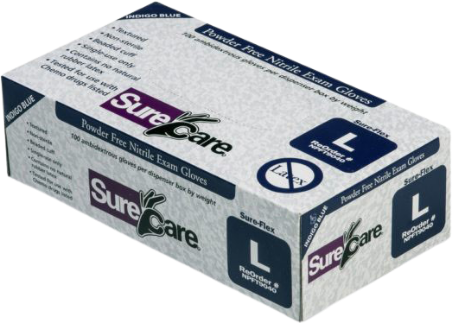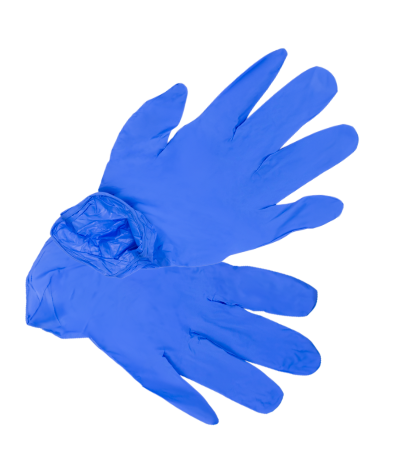
Chemical-resistant gloves must be selected based on the specific chemicals, exposure level, and task requirements, as no single material protects against all hazards. Options like nitrile, rubber, vinyl blends, and disposable gloves offer different levels of resistance and flexibility. Proper selection supports safety, compliance, and operational efficiency in lab and industrial environments.
Familiarizing yourself with chemical-resistant gloves starts with recognizing that no single glove protects against all substances. Different chemicals break down materials in different ways, which means glove selection must match exposure type, duration, and concentration levels.
Workers in labs, manufacturing, and processing facilities rely on gloves that maintain integrity under demanding conditions.
Hand protection is not just about preventing immediate irritation. Long-term exposure to certain chemicals can lead to skin damage, absorption risks, or contamination of sensitive materials.
That is why glove selection becomes part of broader safety planning rather than a simple supply decision.
Why Material Selection Matters in Chemical Exposure
Glove materials respond differently when exposed to solvents, acids, oils, and reactive compounds. Some materials degrade quickly, while others maintain structure under prolonged contact.
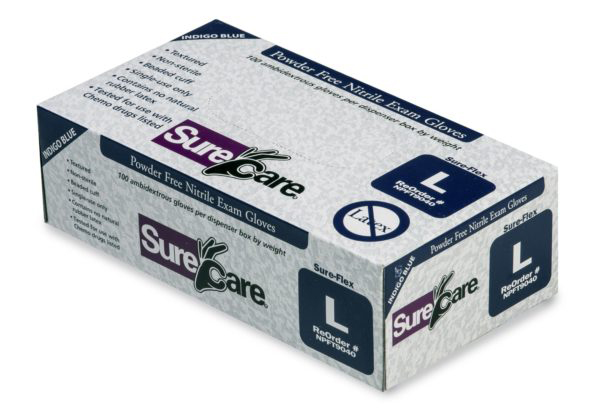
This is why procurement teams often evaluate nitrile gloves for chemical handling tasks. Nitrile resists many common industrial chemicals and offers consistent performance across a number of applications.
It also avoids latex-related sensitivity issues, which makes it more widely suitable for workplace environments.
Material selection directly influences how long gloves can safely be worn during exposure. A mismatch between glove type and chemical environment can result in degradation that is not always immediately visible.
Chemical Handling in Laboratory and Processing Environments
Facilities involved in research or production must account for many chemical exposure levels. Tasks may include mixing, transferring, cleaning, or testing substances that differ in volatility and reactivity.
This is where gloves for chemical processing and lab work become necessary. These environments require gloves that balance dexterity with resistance, allowing workers to perform precise tasks without sacrificing safety.
Laboratory environments often demand frequent glove changes, especially when moving between substances. Even minor cross-contamination can affect results or compromise product integrity. Reliable glove performance helps maintain controlled conditions across procedures.
Disposable Options and Controlled Use Applications
Short-duration tasks or low-risk exposure situations often rely on disposable gloves. These gloves support hygiene and contamination control while allowing frequent replacement between tasks.
Disposable options are commonly used during sample handling, surface cleaning, or light chemical contact. Their convenience makes them a practical choice in fast-paced environments where glove changes occur multiple times per shift.
However, disposal frequency must be balanced with chemical exposure intensity. Not all disposable gloves are designed for aggressive substances or extended contact periods.
A Look at Nitrile Performance in Chemical Resistance
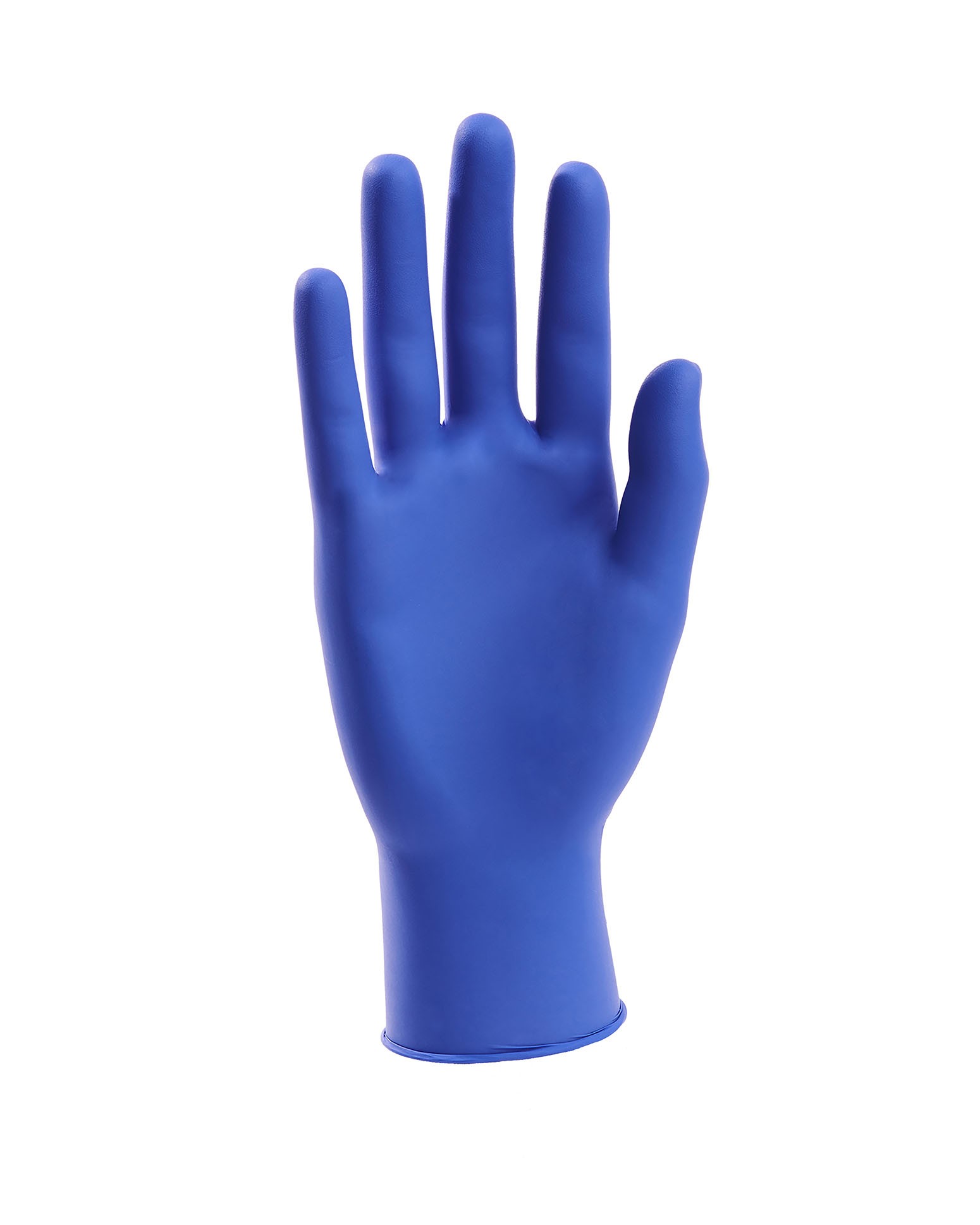
Nitrile has become one of the most widely used materials for chemical protection due to its structural stability. Chemical-resistant nitrile gloves are designed to resist punctures and maintain integrity when exposed to many industrial compounds.
In thicker formulations, nitrile provides extended protection for higher-risk environments. For example, heavy-duty variants are often selected for tasks involving solvents, degreasers, or industrial cleaning agents.
Nitrile also maintains flexibility, allowing workers to retain control during precision tasks. This combination of strength and dexterity supports both safety and productivity in chemical handling positions.
Vinyl and Nitrile Blends in Light Chemical Exposure
Not all environments require maximum resistance levels. Some applications involve lighter exposure or short contact durations where flexibility and cost efficiency become priorities.
This is where vinyl/nitrile blend gloves are often introduced. These blends combine elements of both materials to create a balance between affordability and moderate chemical resistance.
They are commonly used in environments where exposure risk is controlled, and frequent glove changes are part of standard procedure. While not designed for heavy chemical resistance, they serve a functional purpose in lower-intensity tasks.
Rubber-Based Protection in Heavy Exposure Settings
Certain industrial environments still rely on rubber-based materials for high-level chemical resistance. These gloves are designed to withstand more aggressive substances and prolonged exposure conditions.
In this category, chemical-proof rubber gloves provide a strong barrier against corrosive materials and harsh cleaning agents. Their thickness and construction make them suitable for demanding industrial applications where exposure risk is elevated.
However, increased protection often comes with reduced dexterity. Workers must balance mobility needs with safety requirements when selecting rubber-based options.
Thickness, Length, and Protection Levels
Chemical gloves are not defined by material alone. Thickness affects how strong and long-lasting the gloves are. Thicker gloves generally provide longer protection duration but may reduce tactile sensitivity.
Length also matters in exposure control. Extended cuff designs help protect wrists and lower forearms from splashes or accidental contact. This is particularly important in laboratory and processing environments where liquids are frequently transferred between containers.
Choosing the right thickness and length helps match the glove to the actual job.
Compliance and Safety Standards
Chemical handling environments require adherence to strict safety guidelines. Gloves must meet regulatory standards that confirm their suitability for industrial or laboratory use.
Certification guarantees that gloves have been tested for material consistency and performance under controlled conditions. Without these standards, glove performance becomes unpredictable, especially under chemical stress.
Procurement teams often rely on documented compliance to validate purchasing decisions and maintain workplace safety protocols.
Risk Management Through Proper Glove Selection
Chemical exposure risks are not always immediate. Some substances cause gradual skin irritation or absorption over time. Others can degrade glove material without visible warning signs.
Proper glove selection reduces these risks by matching glove material to the type of chemical exposure. This includes evaluating chemical type, concentration, temperature, and duration of contact.
Workplace safety programs include glove selection as part of overall hazard control practices.
Operational Efficiency and Glove Performance
Beyond safety, glove performance affects workflow efficiency. Gloves that fail prematurely interrupt tasks and increase replacement frequency.
Reliable chemical-resistant gloves reduce interruptions and support consistent task execution. This is particularly important in high-volume environments where downtime affects productivity.
Consistency across glove batches also matters. Differences in thickness or material quality can lead to unpredictable performance during important tasks.
Long-Term Procurement Considerations
Chemical glove purchasing is not a one-time decision. It requires ongoing evaluation of supplier reliability, material performance, and regulatory updates.
Bulk purchasing strategies help stabilize supply chains and reduce operational disruptions. However, consistency in quality must remain a priority across every shipment.
Organizations that standardize glove selection simplify training, reduce confusion, and improve compliance across teams.
Supporting Safer Chemical Handling Environments
GloveAmerica supplies protective solutions designed for demanding chemical, laboratory, and industrial environments. Our gloves are manufactured to meet strict quality standards, supporting consistent performance across a vast array of applications.
We maintain large inventory levels to support continuous operations without delays. Orders placed before 3 PM qualify for same-day shipping, helping facilities maintain uninterrupted workflows.
With more than 27 years of industry experience, GloveAmerica knows the demands of chemical handling environments. Our focus remains on delivering dependable products that support safety, efficiency, and compliance.
If you need assistance selecting the right chemical protection solution or want to place a bulk order, please contact us today. We are ready to support your operation with a reliable supply and consistent quality.
FAQs
No, different chemicals react differently with materials, so glove selection must match specific exposure types and conditions.
Replacement depends on exposure level and duration, but gloves should be changed immediately if degradation or damage is suspected.
Not always. Thicker gloves offer more resistance but may reduce dexterity, so selection depends on task requirements.
Quick Summary
Latex gloves are still used in some food service environments due to their flexibility, comfort, and low cost, but growing awareness of latex allergies and potential liability has led many operations to reconsider their use. Regulatory guidance and industry expectations increasingly favor safer alternatives like nitrile and vinyl. Material choice now plays a key role in contamination control, compliance, and brand trust. Most food businesses are shifting away from latex in favor of more universally safe and consistent glove options.
Latex gloves in food service continue to appear in kitchens, prep stations, and food processing environments despite growing awareness around material sensitivities. Their elasticity, tactile precision, and cost profile still appeal to certain operations.
At the same time, regulatory guidance and consumer expectations have shifted, pushing buyers to evaluate glove material more carefully than in the past.
Food handling requires more than simple hand coverage. Glove selection directly affects contamination control, worker comfort, and operational consistency.
For purchasing managers and safety coordinators, the decision is less about habit and more about risk exposure and compliance requirements working together.
Why Latex Became Common in Food Handling
Latex material gained popularity due to its flexibility and close fit. Workers handling delicate ingredients or performing repetitive prep tasks benefited from a glove that allowed natural hand movement without stiffness.
This improved dexterity made latex a practical choice in busy kitchens.
Cost also influenced widespread adoption. Bulk purchasing of disposable gloves provided an economical solution for operations managing high glove turnover. When gloves are changed frequently, even small cost differences can affect overall supply budgets.
However, earlier adoption trends did not account for long-term health concerns tied to latex exposure. What once seemed like a simple procurement decision now requires more careful evaluation.
Allergy Concerns and Liability Exposure
Natural rubber latex contains proteins that can trigger allergic reactions in some individuals. Reactions range from mild skin irritation to more serious respiratory responses. In a food service setting, this introduces two separate risks.
First, employees handling food may develop sensitivities over time. Second, trace allergen transfer could affect customers who come into contact with contaminated surfaces or packaging.
Although food contact itself may not directly transmit latex proteins at high levels, the perception of risk alone can influence customer trust.
This has led many operations to reconsider latex gloves for food service, especially in environments where allergen awareness is a priority. Schools, healthcare cafeterias, and large-scale food production facilities tend to move away from latex due to these concerns.
Regulatory Pressure and Industry Shifts
Food safety regulations vary by region, yet a clear trend has emerged across the United States. Many agencies recommend limiting or eliminating latex glove use in food handling settings. This shift does not mean latex is universally banned, but it does increase scrutiny during inspections.
FDA clearance and ASTM standards often influence how purchasing teams evaluate product suitability. Gloves used in food preparation must meet strict criteria for material safety and performance consistency.
Operations that continue using latex without evaluating alternatives risk falling behind changing industry standards.
Material Performance in Real Kitchen Conditions
Latex offers strong elasticity and a snug fit, which can reduce hand fatigue during repetitive tasks. Workers handling intricate prep work may notice improved control compared to looser-fitting materials. This tactile advantage remains one of latex’s strongest attributes.
However, durability under certain conditions can vary. Exposure to oils, fats, and acidic ingredients may affect material stability over extended use. High-volume kitchens demand gloves that maintain integrity across diverse food types and prep conditions.
This is where alternatives begin to compete more aggressively, offering similar performance without the same level of concern tied to allergens.
Comparing Latex to Modern Alternatives
Nitrile has become the leading alternative in food service environments. It delivers strong puncture resistance and holds up well against oils and chemicals. Vinyl options, while more cost-focused, serve low-risk applications where durability demands are lower.
In contrast, clear disposable gloves are commonly used for quick-service tasks or short-duration food handling. These gloves are typically chosen for convenience rather than heavy-duty performance.
Color also supports food safety programs in a practical way. Some facilities adopt gloves in different colors (ex: blue) to support contamination tracking. Blue gloves stand out against most food products, making it easier to identify fragments if a glove tears during use.
Latex does not offer the same level of visibility advantage, which can limit its practicality in certain environments.
When Latex May Still Be Considered
Some smaller operations continue using latex due to familiarity and cost control. In environments with low allergy exposure risk and limited customer interaction, latex may still appear as part of glove inventory.
However, this approach requires careful oversight. Businesses must evaluate employee health history and maintain clear communication regarding potential sensitivities. Even then, shifting toward broader compatibility materials remains the safer long-term decision.
Buyers looking at food-safe latex gloves must confirm that products meet all regulatory requirements and are sourced from reputable manufacturers. Quality control becomes a central concern when continuing to use this material.
Procurement Decisions and Long-Term Impact
Choosing gloves is not a one-time decision. It affects daily workflow, compliance, and brand perception. Food service operations that rely on consistent glove performance must prioritize reliability across every shipment.
Bulk purchasing amplifies this responsibility. A single order can supply weeks or months of inventory, making supplier credibility just as important as product specifications. Consistency in thickness, material strength, and certification is non-negotiable.
Those evaluating latex gloves for food prep must also consider how purchasing decisions reflect their commitment to safety. Customers increasingly expect transparency in food handling practices, even when they do not directly see back-of-house operations.
Making a Strategic Shift Toward Safer Materials
The industry trend is clear. Food service operators are moving toward materials that reduce risk without sacrificing performance. Nitrile continues to lead this transition due to its versatility and strong safety profile.
Latex may still exist in certain controlled environments, yet its presence continues to decline as awareness grows. Businesses that proactively transition position themselves ahead of compliance changes and customer expectations.
This shift is not about following trends. It reflects a broader focus on operational responsibility, employee well-being, and long-term brand trust.
GloveAmerica Supports Smarter Glove Purchasing
We work directly with businesses that depend on a reliable glove supply every day. Our inventory includes high-quality alternatives to latex, backed by FDA clearance and compliance with ASTM and ISO standards. We focus on materials that perform consistently under real food service conditions.
Our team knows how procurement decisions affect workflow, safety protocols, and operational efficiency. That is why we maintain large in-stock quantities and offer same-day shipping on qualifying orders placed before 3 PM.
We also support bulk buyers with factory-direct pricing, helping reduce long-term supply costs without sacrificing performance. Our experience spans more than 27 years, and our retention rate reflects the trust clients place in our products and services.
If you have any questions about glove selection or want to place a bulk order, feel free to reach out to us today. We are ready to help you secure the right solution for your operation.
FAQs
No, they are not universally banned, yet their use is discouraged in many environments due to allergy concerns and safety expectations.
Blue gloves stand out against food products, making it easier to detect contamination if a glove tears or fragments during use.
Some latex gloves meet regulatory requirements, but businesses must verify certifications and consider allergy risks before choosing them.
Quick Summary
Selecting the best work gloves requires matching material, protection level, and design to specific job demands such as construction, manufacturing, or maintenance. Key factors include cut resistance, grip, comfort, durability, and thermal protection. Proper glove selection improves safety, efficiency, and long-term value while reducing replacement costs and workplace risk.
Finding the best work gloves starts with identifying the exact demands of the job. Gloves used in construction, manufacturing, or maintenance face very different conditions from those used in light-duty environments.
Buyers who focus on performance requirements rather than general categories make stronger purchasing decisions.
Work gloves function as a direct barrier between hands and workplace hazards. That barrier must match the risks involved. Abrasion, sharp materials, extreme temperatures, and repetitive motion all place different demands on glove construction.
Matching glove type to application improves both safety and efficiency.
Matching Gloves to Job-Specific Demands
Every worksite presents unique challenges.
Construction crews handle rough materials such as lumber, metal, and concrete. Mechanics deal with oils, solvents, and tight spaces. Warehouse teams manage repetitive lifting and package handling.
This is where thoughtful work glove selection becomes imperative. A glove that performs well in one environment may fail quickly in another. Buyers must evaluate how gloves will be used throughout a full shift rather than focusing on a single task.
For example, heavy-duty jobs require thicker materials that resist wear. Precision tasks benefit from gloves that allow better finger movement and control. Identifying these needs early prevents costly mismatches.
Material Options
Glove material defines how it performs under pressure. Each type offers specific strengths suited to certain applications.
Leather remains a trusted choice for rugged work. Leather work gloves offer strong resistance to abrasion and heat, making them ideal for welding, construction, and outdoor labor. They also provide a natural grip that improves handling of rough materials.
Synthetic materials bring different advantages. Nitrile coatings improve grip and resist oils, while fabric blends heighten flexibility. These gloves work well in environments that require both protection and dexterity.
Disposable options also serve a purpose. Tasks involving contamination control or short-duration handling rely on disposable gloves for quick changes and hygiene compliance. While not designed for heavy-duty work, they support specific operational needs.
Evaluating Cut Protection Levels
Sharp materials introduce one of the most serious workplace hazards. Metal edges, glass, and cutting tools require gloves that can resist penetration.
Cut-resistant gloves are engineered with fibers designed to reduce the risk of injury. These gloves are rated based on their ability to withstand cutting force, allowing buyers to choose the appropriate level of protection.
Selecting the correct rating depends on the severity of exposure. Light handling tasks may require lower protection, while industrial cutting operations demand higher resistance. Overlooking this detail can lead to unnecessary risk.
Grip and Surface Control
Grip affects both safety and productivity. Workers who cannot maintain a secure hold on tools or materials face higher accident risk and reduced efficiency.
Textured surfaces, coated palms, and material composition all influence grip performance. Gloves used in wet or oily conditions must maintain traction under those circumstances. Dry environments may allow for simpler designs.
Choosing gloves with appropriate grip characteristics prevents dropped materials and supports a smoother workflow across tasks.
Comfort and Fit During Long Shifts
Comfort directly affects worker performance. Gloves that fit poorly cause fatigue, reduce control, and increase the likelihood of removal during tasks.
A proper fit allows natural hand movement without excessive tightness or looseness. Workers who wear gloves for extended periods benefit from breathable materials that reduce heat buildup.
Sizing consistency also matters in bulk purchasing. Each pair must match expected dimensions to maintain comfort across entire teams. Differences in fit can disrupt workflow and create unnecessary frustration.
Cold Weather and Thermal Protection
Outdoor work introduces temperature challenges that standard gloves cannot handle. Cold environments require insulation without sacrificing mobility.
This is where the warmest work gloves come into consideration. Insulated designs protect against low temperatures while maintaining enough flexibility for tool handling. Workers exposed to winter conditions rely on this balance to maintain productivity.
Thermal protection should match the severity of exposure. Overly bulky gloves can reduce dexterity, while insufficient insulation leads to discomfort and reduced efficiency.
Durability and Longevity in High-Use Environments
Work gloves must withstand repeated use without failing prematurely. Durability depends on both material quality and construction methods.
Reinforced stitching, layered materials, and consistent thickness all contribute to longer glove life. Buyers who prioritize durability reduce replacement frequency and maintain stable supply usage.
In high-volume operations, glove failure can interrupt workflow and increase costs. Selecting gloves designed for extended use supports better long-term performance.
Application Focus: Construction and Industrial Use
Construction environments place considerable demands on gloves. Workers handle heavy materials, operate tools, and face constant abrasion.
Choosing the best work gloves for construction requires attention to any number of things. Protection, grip, and durability must work together without limiting movement. Gloves that meet these requirements support safer and more efficient jobsite operations.
Industrial settings present similar challenges, often with added exposure to chemicals or machinery. Matching gloves to these conditions reduces risk and improves consistency across tasks.
Bulk Purchasing and Supply Consistency
Businesses rely on a steady glove supply to maintain operations. Running short or receiving inconsistent products disrupts workflow and increases risk.
Bulk ordering allows companies to manage inventory more effectively. However, this approach depends on supplier reliability. Each shipment must meet the same standards for material quality, sizing, and performance.
Buyers should prioritize suppliers with strong inventory levels and proven consistency. Reliable supply chains support uninterrupted operations and predictable costs.
Long-Term Value Over Short-Term Cost
Price alone should not drive purchasing decisions. Lower-cost gloves may fail quickly, leading to higher replacement rates and increased downtime.
High-quality gloves deliver better performance and a longer lifespan. This reduces total cost over time while improving worker satisfaction and safety.
Evaluating long-term value rather than upfront pricing leads to stronger procurement decisions.
Built for Demanding Work Environments
GloveAmerica supplies businesses that depend on durable, high-performing gloves every day. Our product range includes options designed for construction, industrial work, and specialized applications where reliability matters.
We maintain a large in-stock inventory, allowing us to ship quickly and keep operations running without interruption. Orders placed before 3 PM qualify for same-day shipping, supporting businesses that cannot afford delays.
Our factory-direct pricing helps control supply costs without sacrificing quality. With over 27 years of experience, GloveAmerica knows what works in real jobsite conditions. Our clients continue to rely on us because our gloves perform consistently across every order.
If you have questions about choosing the right gloves for your operation or need to place a bulk order, feel free to contact us today. We are ready to help you find the right solution.
FAQs
Most manufacturers provide sizing charts based on hand measurements. Consistent sizing across bulk orders helps maintain comfort and performance.
Some gloves offer versatility, but specialized tasks often require specific materials or protection levels for optimal performance.
Replacement depends on usage and wear. Gloves should be replaced when they show signs of damage or reduced performance.
Quick Summary
Nitrile gloves are widely used in food handling due to their strength, puncture resistance, and low allergy risk compared to latex. When properly certified and sourced, they meet FDA food safety standards and perform well in demanding kitchen conditions. Their durability, grip, and consistency make them a preferred choice over vinyl and latex.
Are nitrile gloves safe for food handling? That’s a question raised by restaurant owners, food processors, and safety managers who depend on reliable protective equipment.
The short answer points toward yes, but only when the gloves meet proper manufacturing standards and are sourced from reputable suppliers. Material alone does not guarantee suitability. Certification, construction quality, and consistent production all contribute to safe food handling.
Gloves act as a barrier between hands and food products. That barrier must remain intact through prep work, exposure to oils, and repeated movement. Choosing the right glove material directly affects contamination control and operational efficiency.
Why Nitrile Has Become the Preferred Material
Nitrile is a synthetic rubber designed to replace natural latex. It removes the proteins that cause allergic reactions, making it a safer option for both workers and customers. This difference alone has shifted purchasing decisions across the food service industry.
Strength is another major advantage.
Nitrile gloves resist punctures and tears more effectively than vinyl or latex in high-demand environments. Workers handling raw meats, sharp utensils, or abrasive surfaces benefit from a glove that holds up under pressure.
Food operations also value consistency. When gloves perform the same way across every case, workflow becomes more predictable. That reliability supports better hygiene practices and fewer interruptions during service.
Compliance and Food Safety Standards
Gloves used in food handling must meet regulatory expectations set by agencies such as the FDA. Food-safe nitrile gloves are manufactured to avoid harmful residues, contaminants, or materials that could transfer onto food surfaces.
Buyers evaluating gloves for food service should confirm that products meet ASTM and ISO standards. These certifications indicate that gloves have been tested for quality, strength, and safety under controlled conditions.
Powder-free construction is another requirement in most food environments. Powdered gloves can leave residue on food, equipment, and prep surfaces.
This is why the question ‘Are powder-free nitrile gloves food-safe?’ comes up frequently. Powder-free nitrile options are widely accepted because they eliminate that contamination risk while maintaining performance.
Performance Under Real Food Prep Conditions
Food preparation involves constant hand movement, temperature changes, and exposure to moisture. Gloves must remain intact throughout these conditions without slipping or breaking.
Nitrile performs well across a wide range of tasks. It resists oils, fats, and certain chemicals commonly found in kitchens. This stability allows workers to maintain grip and control even during demanding prep work.
Grip becomes especially important when handling wet or greasy ingredients. Textured nitrile gloves offer improved surface traction, reducing the chance of slips. This added control supports both safety and efficiency during food preparation.
Comparing Nitrile to Other Disposable Options
Latex once dominated food handling environments, but allergy concerns have reduced its use. Vinyl gloves still appear in low-risk tasks, yet they lack the durability needed for high-volume operations.
In contrast, disposable gloves made from nitrile deliver a balanced combination of strength, flexibility, and safety. This makes them suitable for a wider range of applications, from food prep to packaging and service.
Color also influences glove selection. Blue nitrile gloves are commonly used because they are easily visible against most food products. This visibility helps identify contamination if a glove tears during use.
Brand and Quality Concerns
Questions about specific brands appear frequently in procurement discussions. For example, buyers sometimes ask, ‘Are Harbor Freight nitrile gloves food-safe?’ The answer depends on whether the product meets food-safe standards and includes proper certifications.
Not all nitrile gloves are created equally. Lower-quality options may lack consistent thickness or fail to meet regulatory guidelines. These inconsistencies can lead to glove failure during use, increasing contamination risk.
This is why sourcing matters as much as material. Reliable suppliers maintain strict quality control across every production batch. That consistency supports both safety compliance and operational efficiency.
Thickness, Fit, and Application Needs
Nitrile gloves come in a number of thickness levels, often measured in mils. Thicker gloves offer greater durability, while thinner options provide better dexterity. Food operations must balance these characteristics based on daily tasks.
A 5-mil glove, for example, offers a strong combination of protection and flexibility for general food handling. Thicker gloves may be used for tasks involving sharp tools or heavy-duty cleaning.
Fit also affects how the gloves perform in use. Gloves that fit properly reduce hand fatigue and improve control. This directly impacts productivity during long shifts in busy kitchens.
Bulk Purchasing and Supply Reliability
Food service operations rely on a steady supply of gloves to maintain hygiene standards. Running out of gloves or receiving inconsistent product quality can disrupt workflow and increase risk.
Bulk purchasing allows businesses to maintain inventory without frequent reordering. However, this approach requires confidence in supplier reliability. Every shipment must meet the same standards for thickness, strength, and certification.
When evaluating nitrile gloves for food use, buyers should prioritize suppliers with strong inventory levels and consistent fulfillment capabilities. This reduces delays and supports uninterrupted operations.
The Long-Term Shift Toward Nitrile
The industry continues to move toward nitrile as the preferred glove material for food handling. This shift reflects a broader focus on safety, compliance, and performance.
Latex remains in limited use, while vinyl serves niche applications. Nitrile bridges the gap by offering durability without allergy concerns. This combination has made it the preferred choice for modern food service environments.
Businesses that invest in high-quality nitrile gloves position themselves for long-term success. They reduce risk, improve efficiency, and meet safety expectations without compromising performance.
Why GloveAmerica Is the Trusted Source for Nitrile Gloves
We supply businesses that depend on reliable glove performance every day. Our nitrile products are manufactured to meet FDA standards and comply with ASTM and ISO requirements. Each glove is designed for consistent strength, flexibility, and safety across food handling environments.
We maintain a large in-stock inventory, allowing us to ship orders quickly without compromising quality. Orders placed before 3 PM qualify for same-day shipping, helping businesses maintain uninterrupted operations.
Our factory-direct pricing supports cost control for bulk buyers, while our 27 years of industry experience reflect a deep commitment to product quality and customer satisfaction. Our retention rate remains high because our gloves perform as expected across every order.
If you have questions about nitrile glove selection or need a dependable bulk supplier, reach out to us today. We are ready to help you find the gloves you need.
FAQs
No, properly manufactured nitrile gloves do not transfer taste or odor to food when they meet food safety standards.
They can handle moderate heat, but they are not designed for direct contact with extremely high temperatures or open flames.
Gloves should be replaced frequently, especially after handling raw ingredients or switching between tasks, to maintain hygiene.
Quick Summary
Nitrile glove prices are rising again in 2026 as global supply chains face renewed pressure from geopolitical instability, shipping disruptions, rising raw material costs, and growing demand across healthcare, manufacturing, law enforcement, and food production industries. The ongoing Iran conflict has added strain to the global energy and petrochemical markets, directly impacting nitrile production and transportation costs. Businesses relying on disposable gloves and PPE are now facing another potential nitrile glove shortage, forcing many buyers to secure inventory early and prioritize dependable suppliers with strong stock availability and fast fulfillment capabilities.
The global PPE market entered 2026 expecting relative stability after several years of normalization following the pandemic-era supply crisis. Instead, businesses are once again seeing nitrile glove prices rise across medical, industrial, and commercial purchasing channels. Procurement managers, hospitals, automotive shops, food processing facilities, and government agencies are all asking the same question: why are glove costs increasing again?
Several factors are contributing to the latest increase, but one of the largest concerns revolves around the growing instability in the global nitrile glove supply chain. Escalating tensions and military conflict involving Iran have triggered disruptions throughout the petrochemical and shipping sectors, creating ripple effects across the PPE industry. Since nitrile gloves are heavily dependent on petroleum-derived raw materials and international freight logistics, even moderate disruptions in energy markets can quickly impact pricing and availability worldwide.
Why Nitrile Glove Prices Are Rising in 2026
The increase in nitrile glove prices during 2026 is not caused by one isolated issue. Instead, it is the result of multiple global pressures occurring simultaneously throughout manufacturing, transportation, raw material sourcing, and international trade.
Nitrile gloves are produced using synthetic rubber compounds derived from petroleum-based chemicals. When oil prices rise or petrochemical production becomes unstable, manufacturing costs increase rapidly. The ongoing conflict involving Iran has significantly affected energy markets because the Middle East remains one of the most important regions for global oil production and shipping routes.
As fuel prices increase, nearly every stage of glove manufacturing becomes more expensive. Factories pay more for raw materials, freight carriers pay more for transportation, and importers face higher operational costs when moving inventory internationally. These additional expenses ultimately raise wholesale and retail pricing for disposable gloves.
Shipping instability is another major contributor. International freight routes have become less predictable due to security concerns, rerouted cargo paths, longer transit times, and increased insurance costs for shipping carriers operating near conflict zones. Even when nitrile gloves are successfully manufactured on time, transportation delays can slow inventory replenishment for distributors and businesses throughout North America.
Labor costs and production capacity are also influencing pricing. Many glove manufacturers continue adjusting operations after years of fluctuating demand, and factories remain cautious about dramatically expanding output. Manufacturers learned difficult lessons during previous oversupply periods, making many producers hesitant to increase production too aggressively despite renewed demand increases.
How the Iran War Is Affecting the Nitrile Glove Supply Chain
The Iran conflict is having a broader impact on the global economy than many businesses initially realized. While nitrile gloves are not directly manufactured in Iran, the conflict affects several interconnected systems that influence glove production and distribution worldwide.
The largest impact comes through oil and petrochemical markets. Nitrile butadiene rubber, the key material used in nitrile glove manufacturing, relies heavily on petrochemical feedstocks. Any disruption in oil production, refinery operations, or fuel transportation can increase production costs across the entire disposable glove industry.
Shipping lanes are another major concern. Portions of global freight traffic move through highly sensitive waterways connected to Middle Eastern trade routes. Increased military tensions and regional instability create delays, rerouting requirements, and elevated shipping insurance premiums. These issues directly affect international container movement, including PPE shipments traveling from Asia into North America.
The nitrile glove supply chain is especially vulnerable because many manufacturers depend on tightly coordinated production schedules and international sourcing relationships. Delays in raw materials, packaging supplies, shipping containers, or transportation access can quickly create bottlenecks that reduce inventory availability.
Currency volatility and international trade uncertainty are also impacting pricing negotiations between manufacturers, importers, and distributors. When markets become unstable, factories often increase pricing to protect against fluctuating costs and supply risks. Buyers then face shorter quote windows and less predictable pricing structures.
Why Healthcare and First Responders Are Especially Concerned
Healthcare organizations and emergency response agencies are paying especially close attention to rising nitrile glove prices because disposable gloves are considered mission-critical supplies. Unlike optional inventory categories, gloves are essential daily consumables that cannot simply be removed from operational budgets.
Medical professionals require exam-grade gloves that meet strict FDA compliance standards. Many healthcare facilities also prioritize chemotherapy-rated gloves for enhanced chemical resistance and safety protection. Rising costs in these specialized categories can significantly impact procurement budgets for hospitals, clinics, dental offices, and laboratories.
Law enforcement and first responders are facing similar challenges. Fentanyl-rated nitrile gloves have become increasingly important due to growing concerns surrounding opioid exposure risks during field operations. Agencies often prefer black nitrile gloves because they offer a professional appearance while helping conceal stains and contaminants during tactical or emergency response work.
These industries cannot afford supply interruptions. During previous PPE crises, organizations experienced delayed shipments, rationing measures, and inconsistent product availability. As a result, many buyers are taking a more aggressive approach toward inventory planning in 2026.
The Return of Bulk Purchasing and Inventory Hoarding
One of the clearest signs of market anxiety is the return of aggressive bulk purchasing behavior. Businesses that previously relied on just-in-time inventory systems are now ordering larger quantities to reduce exposure to future shortages or price spikes.
This trend is especially visible among healthcare networks, food production facilities, automotive operations, industrial manufacturers, and municipal agencies. Buyers remember how quickly supply conditions deteriorated during previous disruptions, and many are unwilling to risk being caught unprepared again.
When organizations begin increasing order volume simultaneously, the effects compound throughout the market. Manufacturers experience sudden demand surges, distributors see inventory depletion accelerate, and replenishment timelines become more difficult to predict.
The result is a feedback loop that intensifies concerns surrounding the nitrile glove shortage narrative. Even when manufacturers continue producing gloves consistently, rapid purchasing activity can create localized inventory gaps and temporary availability challenges.
Companies that maintain large inventories and strong supplier relationships are in a much better position during these market conditions. Reliable distributors with direct manufacturing partnerships and centralized warehouse operations can often continue fulfilling orders more consistently than smaller resellers operating with limited stock availability.
How Businesses Can Protect Themselves Against PPE Supply Chain Disruption
Businesses that depend heavily on disposable gloves should avoid waiting until shortages become severe before taking action. Strategic procurement planning is becoming increasingly important as the PPE supply chain disruption environment continues evolving throughout 2026.
One of the most effective approaches is building relationships with established suppliers that maintain substantial inventory levels and fast fulfillment capabilities. Companies with factory-direct sourcing advantages are often better equipped to navigate global supply instability because they have more control over production scheduling and inventory allocation.
Consistency is also important. Switching suppliers solely based on short-term pricing can expose businesses to quality issues, delayed shipments, and unpredictable inventory availability during volatile market conditions. Many organizations are prioritizing long-term reliability over chasing temporary discounts.
Forecasting usage more accurately can also help businesses avoid emergency purchasing situations. Industries with predictable glove consumption patterns, such as healthcare, food production, automotive service, and manufacturing, benefit from maintaining structured replenishment schedules and safety stock reserves.
Businesses should also pay close attention to technical specifications when evaluating alternatives. Lower-cost products may not provide the same durability, chemical resistance, FDA compliance, or puncture resistance required for professional applications. In medical and law enforcement settings especially, performance standards remain critical.
Will Nitrile Glove Prices Continue Rising Throughout 2026?
Most industry analysts expect pricing volatility to continue throughout much of 2026. While market conditions may stabilize eventually, several ongoing risks remain unresolved.
Geopolitical instability involving Iran and surrounding regions could continue affecting oil markets and freight transportation. Even temporary escalations can trigger rapid increases in shipping and manufacturing expenses.
Demand also remains historically strong across healthcare and industrial sectors. Unlike previous years where oversupply created downward pricing pressure, current market conditions reflect more balanced inventory levels combined with cautious manufacturing output.
Another important factor is preparedness purchasing. Many organizations no longer view PPE inventory as a low-priority operational category. Instead, disposable gloves are increasingly treated as strategic safety supplies that require proactive inventory management.
If energy prices stabilize and freight networks improve, nitrile glove prices could moderate later in the year. However, significant reductions appear unlikely in the near future unless global supply conditions improve substantially.
For buyers, the key takeaway is that waiting for prices to return to historic lows may not be realistic. Stability and reliable supply access are becoming more valuable than simply pursuing the cheapest available option.
Why Reliable Suppliers Matter More During Supply Chain Instability
During periods of uncertainty, supplier reliability becomes one of the most important factors in procurement strategy. Businesses need partners that can maintain inventory consistency, process orders quickly, and provide transparent communication regarding product availability.
Suppliers with large warehouse capacity, same-day shipping capabilities, and direct manufacturing relationships are generally positioned more effectively during global disruptions. Fast fulfillment can help businesses avoid operational interruptions when inventory levels tighten unexpectedly.
Technical expertise also matters. Professional buyers often require detailed information regarding glove thickness, FDA compliance, chemical resistance, exam-grade certifications, and fentanyl or chemotherapy ratings. Suppliers that understand these technical requirements can help organizations choose appropriate products while maintaining compliance standards.
The disposable glove industry has become significantly more complex since the pandemic years. Buyers are now balancing pricing concerns alongside supply continuity, product quality, regulatory standards, and inventory security.
For many businesses, dependable access to gloves matters more than minor short-term price differences, especially when those gloves protect healthcare workers, emergency responders, food production teams, and industrial employees operating in demanding environments.
If your business depends on reliable PPE availability, now is the time to secure inventory before further supply disruptions impact pricing and fulfillment timelines. Glove America offers factory-direct pricing, massive in-stock inventory, same-day shipping on qualifying orders, and professional-grade disposable gloves trusted by medical providers, first responders, automotive shops, food production facilities, and industrial businesses nationwide.
Whether you need bulk nitrile gloves, exam-grade protection, or wholesale PPE solutions, Glove America can help your organization stay prepared during ongoing supply chain uncertainty. Contact us today for more details!
FAQs
Nitrile glove prices are increasing because of rising petrochemical costs, shipping disruptions, geopolitical instability, increased PPE demand, and concerns surrounding the global nitrile glove supply chain. The Iran conflict has intensified energy market volatility, which directly affects glove manufacturing and transportation costs.
The market is not experiencing shortages at the same scale seen during the pandemic, but many industries are facing tighter inventory conditions and longer replenishment timelines. Increased bulk purchasing and supply chain instability are contributing to ongoing nitrile glove shortage concerns.
The Iran conflict impacts oil pricing, freight shipping routes, transportation insurance costs, and petrochemical availability. Since nitrile gloves rely on petroleum-derived materials and international shipping networks, instability in these areas increases manufacturing and distribution costs.
Many healthcare organizations remain cautious about medical supply shortages 2026 risks due to continued global instability, elevated demand, and ongoing supply chain vulnerabilities. Hospitals and emergency agencies are maintaining larger PPE inventories to reduce future risk exposure.
Black nitrile gloves remain highly popular among law enforcement, automotive, tattoo, industrial, and emergency response professionals because they provide durability, chemical resistance, and a professional appearance while concealing stains and contaminants more effectively than lighter-colored gloves.
Many businesses choose bulk purchasing during volatile market conditions to reduce exposure to future shortages and pricing increases. Organizations with consistent glove usage often benefit from maintaining reserve inventory and working with suppliers that offer stable wholesale pricing.
The nitrile glove industry is experiencing sticker shock. In 2024, the U.S. Trade Representative began enforcing Section 301 tariffs on Chinese imports, with a series of modifications taking effect in 2025 and 2026. As of 2026, tariffs on medical gloves from China have increased to 100%.
Now that businesses are facing an era of higher PPE pricing, they’re being pushed to find ways to reduce nitrile glove costs. Since non-tariffed competitors will continue to raise prices to meet rising demand, the only option is to bypass the middleman. Discover how tariffs impact nitrile gloves and PPE prices and uncover strategic ways to claw back margins.
The New Reality of Increased Tariffs
Many businesses that work with PPE are facing a complex new pricing reality due to increased tariffs and significantly higher price floors. While only Chinese imports face 100% tariffs, these price increases will result in industry-wide hikes that affect every buyer.
Here’s what you need to consider when planning your nitrile glove budget for the year:
Current status: Since January 2026, the U.S. tariffs on medical-grade gloves from China have officially doubled from 50% to 100%. While PPE tariffs were already high after previous hikes, this new 100% tariff represents a historic high, calling for creative and long-lasting ways to reduce overall PPE costs.
Financial impact: Tariff increases also significantly impact the total landed cost of bringing a product from its origin to the final customer. These massive cost adjustments impact the entire supply chain, eventually reaching the final customer.
Scope: While these increased tariffs apply only to medical-grade gloves imported from China, the whole industry can expect price surges. As demand shifts away from China, other suppliers are raising their prices to meet growing customer demand. In time, these tariffs will create a new price floor.
Why You Can’t Just Switch Origins
The reality for many businesses that operate with PPE is that they can either pay the new tariffs on nitrile gloves imported from China or face the increased price floor of competitor gloves.
Unfortunately, there’s no longer an affordable option on the market. These are some reasons why businesses can’t simply switch their import origins:
Spillover effect: Many companies assume non-tariffed countries offer a more affordable alternative. However, that’s not always true. For example, Malaysian competitors are raising prices to capitalize on rising demand.
Supply crunch: If every U.S. buyer decides to pivot away from China toward Southeast Asian imports, these competitors face demand that far exceeds their supply.
Price inflation: When Southeast Asian competitors face unattainable demand, they raise prices to mitigate supply constraints. These cost increases can quickly lead to industry-wide hikes that signal the end of low-cost nitrile gloves.
How Distributors Compound the Price
Adding to the already astronomical tariffs on nitrile glove imports from China, many traditional glove distributors use compound pricing models that penalize the buyer. This pricing model effectively adds an invisible, additional tax on top of the federal tariff.
Here are a few factors to consider when deciding whether to use distributors or switch to direct suppliers:
Traditional model: The traditional supply chain already favors distributors, as they add their profit margins on top of the freight and tariff costs.
Tax on tax: When the tariffs on Chinese imports increase, so do the margins that distributors add. Since distributors calculate these margins on the total import price, they essentially charge a multiplied fee on top of the tariffed cost.
Solution: The most effective way to avoid the double markup on Chinese imports is to bypass the middleman and purchase your nitrile gloves directly from a manufacturer.
Do Tariffs Affect Used Medical Equipment and PPE?
Many companies rely on a diverse range of PPE beyond nitrile gloves, which results in confusion about where the new tariffs apply. A common misconception is that used or surplus goods are exempt from the tariffs on PPE imports.
These details can help you make sense of how tariffs apply to used medical equipment and other PPE:
Rule: Customs duties apply to the products’ origin rather than their age or condition. Any PPE or medical-grade gloves imported from China are subject to the newly increased tariffs.
Application: Since the tariffs don’t discriminate based on manufacturing date, even new old stock will receive the full tariff. For example, if you import surplus inventory from China that has been in a warehouse since before January 2026, the increased tariffs still apply at the time of entry.
Caution: Companies that import nitrile gloves and other PPE must not assume that used or older goods are tariff-exempt. If you import a tariffed product from China, your landed cost will include the 100% tariff.
Strategies to Navigate the New Price Floor
If your business regularly uses nitrile gloves and other PPE that are subject to the tariffs, there are ways to reduce your import costs.
Strict Auditing
Many businesses use medical-grade (exam) gloves for nonmedical tasks, such as food prep and auto repairs. To avoid the tariff hikes, consider switching to industrial-grade gloves for nonmedical tasks. Industrial gloves fall under different tariff schedules and often have lower manufacturing costs, resulting in immediate savings on imports.
Landed Cost Efficiency
While you can’t control the federal tariff rate or the amount of gloves you need, you can limit your business’s freight and handling costs by reducing order frequency. Switch from weekly or bi-weekly cases to monthly pallets to maximize shipping density and lower the shipping cost per item.
Direct Defense
Pass-through distributors do nothing more than pile margins on top of already exorbitant tariffs. The best way to navigate increased tariffs on nitrile gloves is to bypass the middleman by sourcing directly from manufacturers.
Stabilize Your Budget With Glove America
Tariff increases pose significant challenges to businesses that import medical-grade gloves from China. Tariffs also affect the market as a whole, as non-tariffed countries are likely to raise prices to meet rising demand. That’s why switching to direct manufacturers to supply your protective wear is the best way to navigate the new price floor.
At Glove America, we manage the supply chain from the factory to our Oklahoma warehouse to eliminate compound costs from distributors. Trust us for high-quality, certified protective wear from shoe covers and aprons to medical-grade nitrile gloves.
Working in the automotive industry involves continuous handling of an array of harmful liquids and chemicals, including oils, transmission fluid, coolants and grease.
Without proper protection, mechanics and other automotive professionals can experience direct skin contact with these substances, many of which can cause skin problems, ranging from mild irritation to moderate rashes, and even skin cancer.
When handling grease, it is essential to wear suitable gloves to prevent skin contact and avoid damaging your hands. However, protective gloves must also be comfortable and flexible enough to maximize workers’ dexterity while they perform manual tasks.
Continue reading to discover the best automotive gloves for handling grease, so that you can fulfil your automotive duties safely and with confidence.
The Importance of Wearing Gloves When Handling Automotive Grease
When handling automotive grease, it is essential to minimize skin contact, as direct and prolonged exposure can lead to various skin problems, ranging from mild to severe.
Automotive grease is typically made from a combination of base oils, thickening agents and various additives — all of which can cause damage to your skin.
The base oils used in automotive grease are typically either mineral or synthetic oils. With exposure to mineral oils strongly linked to an increased risk of nonmelanoma skin cancer, you should minimize or avoid skin contact with these base oils.
When it comes to the thickening agent, automotive greases tend to be lithium- or sodium-based, or made using calcium sulfonate. All three of these chemical ingredients are known to cause skin issues, including irritation and psoriasis.
Additives are chemical substances that are added to enhance the performance of automotive greases. The type of additive used in automotive grease depends on its intended use, and can include extreme pressure (EP) agents, rust inhibitors, friction modifiers and more. With many chemicals potentially present in vehicle grease additives, the hazards vary, and you should minimize skin contact to prevent harm.
Among others, prolonged or continued skin contact with automotive grease poses the following risks:
Irritation
Burns
Rashes
Psoriasis
Folliculitis
Dermatitis
Comedones
Infections
Skin cancer
As an automotive professional, it is not possible to avoid handling automotive grease entirely. The only way to protect against grease-induced skin damage is therefore to wear gloves that adequately protect you from skin contact with grease while you work.
The Best Mechanic Gloves
With such an array of possible risks associated with handling automotive grease, mechanics and auto technicians must find gloves that are durable, grease-resistant and suitable for extended contact with grease and other automotive substances.
When it comes to selecting the best mechanic gloves, there are several options to choose from, each with its own strengths. Before choosing your next pair of mechanic gloves, it is important to understand your available options and their respective properties.
Nitrile Gloves
Nitrile is a synthetic rubber often used to create automotive gloves due to its protective properties.
Nitrile gloves are renowned for their chemical and abrasion resistance, grease resistance and overall durability, making them one of the top choices for professionals in the auto industry. According to the Occupational Safety and Health Administration (OSHA), nitrile offers superior resistance against a range of oils and greases compared to other materials, including neoprene and butyl.
The benefits of nitrile gloves include:
Puncture resistance: Nitrile is not easily punctured, making it suitable for manual jobs and handling mechanical tools and sharp objects.
Chemical resistance: Nitrile is grease-resistant and resistant to many other chemicals, including hazardous oils and certain acids.
Hypoallergenic: As well as protecting you from harmful materials, the gloves themselves are very unlikely to cause adverse reactions on your skin. Nitrile gloves are an excellent alternative for those allergic to latex, for example.
Extended shelf life: Nitrile gloves tend to last longer than other types of protective gloves.
Drawbacks of nitrile gloves:
Poor cold resistance: In colder temperatures, nitrile gloves tend to become stiffer, reducing dexterity and comfort for the user.
Latex gloves benefit from the material’s elasticity and can provide a snug fit, enabling superior dexterity and comfort. Latex gloves also have high resistance to water-based chemicals and higher puncture resistance than many other common glove materials, such as vinyl.
The benefits of latex gloves include:
Superior elasticity: Latex gloves stretch to fit around your hands, making them ideal for tasks requiring dexterity or prolonged use.
Water resistance: Latex gloves provide protection against many water-based chemicals and an array of other liquids.
Multiple options: There are two main types of latex gloves: powdered and powder-free. Depending on your preferences and intended use, you can choose which type is better suited to you.
Drawbacks of latex gloves:
Allergens: Many people are allergic to latex, making latex gloves an unsuitable option. According to OSHA, 8% to 12% of health care workers are sensitive to latex.
Chloroprene
Chloroprene is a chemical commonly used to produce a synthetic rubber called neoprene.
Chloroprene gloves are renowned for their high tensile strength and durability, making them ideal for tasks that involve handling sharp or rough objects. These synthetic rubber gloves mimic the elasticity of latex gloves but have higher chemical resistance.
The benefits of chloroprene gloves include:
Broad chemical resistance: Chloroprene gloves protect against a wide range of chemicals, including oils, many acids and, of course, grease.
High tensile strength: Chloroprene gloves can withstand high levels of stretching and are unlikely to tear, making them suitable for many automotive applications.
Comfortable fit: Their elasticity makes chloroprene gloves comfortable for prolonged use.
Drawbacks of chloroprene gloves:
Cost: Chloroprene rubber tends to be more expensive than nitrile or natural rubber, making it challenging to and affordable chloroprene gloves.
How to Choose the Right Glove
Consider these factors to choose the best glove for your needs:
Size
When choosing a pair of protective mechanic gloves, select the right size.
If you buy a pair of gloves that are too small for your hands, they will stretch too much when worn, and the material will be stressed, potentially damaging it and making it less effective at protecting your skin.
If your gloves are too big for your hands, your dexterity will be compromised, and excess material may increase the risk of damaging the gloves. Gloves that are too loose also make it easier for automotive grease and other substances to enter the gloves, rendering them useless.
Thickness
The thickness of your gloves directly impacts their durability and should be determined based on your intended use of the gloves.
In general, a thickness of between 6 mil and 8 mil is recommended for workers in the automotive industry who perform general mechanical tasks. In contrast to thinner gloves, which are often disposable and non-durable, these medium-thickness gloves offer a good balance between durability and dexterity.
However, if you intend to use your protective gloves for tasks involving additional or stronger chemicals other than grease, you may want to opt for heavy-duty gloves with a thickness of 10 mil.
Disposable vs. Reusable
Both disposable and reusable gloves have their advantages. While disposable gloves offer more dexterity and sensitivity, reusable gloves tend to provide more long-term durability.
If you want to prioritize a balance of dexterity and protection over long-term use, disposable gloves are a great option for automotive workers and a popular choice in the industry.
The benefits of disposable gloves include:
Cost effectiveness: Disposable gloves are often more affordable than reusable gloves.
Precision: Although they can come in various thicknesses to suit your protection requirements, disposable gloves generally provide a flexible fit that prioritizes dexterity. This flexibility makes them superior for intricate tasks or activities that require precise movements.
Reduced transfer: After wearing them, you throw disposable gloves away to minimize the transfer of automotive grease from the workplace to your clothing, home and car.
One of the primary drawbacks of disposable gloves is their environmental impact.
If you want to experience the benefits of disposable gloves but would like a more sustainable option, there are gloves available that provide an effective compromise between single-use and long-lasting protection.
Gloves with a nitrile-dipped palm protect the primary area of your hand with nitrile and offer a flexible nylon knit shell for the rest of the hand, to ensure maximum dexterity for controlled movements. These gloves can last for multiple uses and offer much more control than heavy-duty or long-term gloves.
Order the Best Automotive Gloves From Glove America
Whether you are looking for your next pair of oil change gloves or want to purchase multipurpose mechanic gloves in bulk, Glove America has an array of protective work gloves that will protect your hands from the hazards of handling automotive grease, without compromising your control.
Schedule a call with our sales team to discover our available bulk-buying options or submit a contact form to learn more about our protective products today.
For construction workers and DIY enthusiasts alike, cement burns are a serious but often overlooked hazard.
With the U.S. producing around 84 million tons of cement in 2024 alone, cement can be found all around us. From buildings and bridges to roads and sidewalks, cement is an integral part of our world’s infrastructure, and we all rely on it heavily, whether we notice it or not.
However, the chemical composition of wet cement makes it unsafe for contact with skin and can cause serious burns and injuries. For those who handle it, cement is more than a commodity — it is a material that requires safe and proper protocols.
This guide explores what cement burns are, how to treat them, and how you can prevent them with the use of protective work gloves and safe working practices.
When the alkaline cement makes contact with your skin, it reacts with the water and sweat on the surface of your skin. This powerful reaction breaks down your skin’s collagen fibers, fats and proteins, damaging the skin.
Abrasive Texture
Many of the materials present in cement cause it to have a rough and abrasive texture.
Clinker, the main ingredient of cement, exists in small, nodular pieces that can cause abrasions on the skin when direct contact occurs. Cement also contains dry powder, which can have a similar effect on the skin.
Although the texture itself may not cause cement burns, the abrasion can create small cuts on the skin, which enable the alkaline reaction to penetrate more deeply and cause more severe burns.
Toxic Chemicals
Some types of cement contain chemicals that are highly toxic to your skin.
For example, many kinds of Portland cement naturally contain hexavalent chromium, which is a carcinogen known to cause chemical burns, skin irritation and contact dermatitis.
Who Is Susceptible to Cement Burns
Commonly considered an occupational hazard, cement burns are primarily a risk to those who handle the material as part of their job.
Anyone who handles cement is at risk of experiencing cement burns, including:
DIYers
Construction workers
Plasterers
Tile layers
Masons
Carpenters
In particular, those who pour and mix wet cement are most likely to get cement burns.
How to Treat Cement Burns on Hands
When handling cement, you are at risk of experiencing cement burns on your hands.
If you or someone you know experiences cement burns, it is important to follow health and safety protocols immediately to minimize damage and avoid long-term health effects.
If you have brief contact with wet cement and experience mild cement burns on your hands, follow these first-aid steps:
Remove contaminated materials. Take off any protective equipment, clothing and jewelry that have come into contact with the cement. Keeping contaminated materials on increases the likelihood that they will trap the cement against your skin.
Brush off any dry cement from your skin to avoid prolonged contact.
Rinse the affected area with clean, cool water for around 20 minutes to wash off any remaining cement and slow the progression of any burns.
Apply a safe, mild household acid, such as diluted vinegar, to the area after rinsing, which may help to neutralize the alkaline chemical reaction.
Seek medical attention. Once you have followed the steps to minimize long-term damage, consult your doctor to ensure no further treatment is required.
Moderate to Severe Cement Burns
If you experience more serious cement burns, seek immediate medical attention.
Seeking immediate medical attention is particularly important if:
The burn is larger than 3 inches across or covers a large area of skin.
The burn is deep.
You are unsure about the severity of the burn.
Depending on the nature of the burn, a healthcare professional may rinse and dress the area, provide antibiotics to avoid infection, or, for more severe burns, remove damaged skin and perform a skin graft.
As well as wearing industrial-grade personal protective equipment (PPE), you can prevent cement burns on your hands by following these safety protocols:
Use a pH-neutral soap to wash your hands before and after wearing cement gloves.
Dry your hands thoroughly before putting your gloves on to avoid trapping moisture and cement particles.
Wear long sleeves and tuck them into your gloves to minimize skin contact.
Remove any rings, watches, bracelets or other jewelry before handling cement to avoid trapping cement against your skin.
Separate your work clothes from your regular clothes and change after handling cement to avoid bringing cement particles into your home.
Ensure your work environment has a first-aid kit readily available to use in case of cement burns.
Protect Your Hands With Glove America
We have over 20 years of experience providing reliable safety solutions to a variety of industries, so when you wear Glove America protective products, your hands are in safe hands.
At Glove America, we pride ourselves on providing gloves that effectively protect against irritants without compromising your dexterity or control over hand movements.
Wearing the most suitable type of glove helps you protect yourself from the spread of infection. However, it can be challenging to determine which glove type is most ideal for various situations. From healthcare and medical environments to food processing and law enforcement, different industries have particular requirements to consider.
This guide outlines the differences between latex and nitrile gloves to provide a clear understanding of which type of glove is most suitable for your needs.
What Are Nitrile Gloves?
Nitrile gloves are latex-free and disposable gloves made from a synthetic rubber material containing hypoallergenic properties. They’re a viable option if you have a latex allergy. Nitrile gloves are resistant to oils, punctures and chemicals and are compatible for many uses, from food handling to industrial work.
You can purchase nitrile gloves in various thicknesses and sizes, and they’re available in both powdered and powder-free options.
What Are Latex Gloves?
Latex gloves are manufactured from natural rubber, which is derived from tree sap. They offer flexibility and comfort, and stretch easily for quick removal. Sensitivity and dexterity are other key factors of latex gloves. They’re better suited for tasks that require precision and extra care. For this reason, latex gloves are the preferred option for medical and healthcare environments.
What Is the Difference Between Nitrile and Latex Gloves?
Both types of gloves offer high levels of protection. However, because they feature different materials and characteristics, each may be more suitable for specific situations over the other.
Nitrile Gloves
Nitrile gloves offer these benefits to your workforce:
Comfortable: You can wear nitrile gloves for an extended period without feeling uncomfortable. If you or a team member is allergic to latex, you can wear nitrile gloves as a safe alternative.
Reliability and durability: Nitrile gloves are highly durable, resisting puncturing and tearing during manual labor jobs. This makes them ideal for tasks that require a barrier against potential hazards.
Excellent flexibility: Improved dexterity in newer glove options provides greater flexibility to perform tasks with precision. You experience a more natural feel and enhanced control when handling small objects or tools.
Retain their shape: Nitrile gloves maintain their shape even during demanding manual handling. You get a consistent fit and reliable protection throughout the duration of use.
Latex Gloves
These are the biggest advantages of latex gloves:
Tight-fitting: The high elasticity of latex gloves provides flexibility and stretch while remaining tight-fitting. Wearers experience a snug and secure fit that enhances tactile sensitivity and reduces the risk of slippage.
Better for precision work: Latex gloves are preferable for precision-based work, such as in operating rooms and dental offices. This is due to their exceptional tactile sensitivity and dexterity, allowing healthcare professionals to perform intricate procedures with greater accuracy.
Biodegradable material: Because the material used to make latex gloves contains tree sap, they’re biodegradable. Latex gloves are a more environmentally friendly option compared to synthetic alternatives, as they naturally decompose over time.
Are Nitrile or Latex Gloves Better for Your Workplace?
The glove material you choose should give the best level of protection, aid performance and meet compliance requirements. Here are six key factors to consider:
1. Conduct a Hazard Evaluation
Before purchasing disposable gloves, evaluate your workplace to identify potential risks to workers. Regulatory guidance from the Occupational Safety and Health Administration (OSHA) on hand protection emphasizes the importance of conducting a hazard assessment.
An assessment will help you make informed decisions about worker safety, rather than relying on assumptions. Consider the materials, tools and chemicals your team handles daily, as well as the reliability of the glove material to carry out necessary tasks and protect workers.
2. Assess the Environment
When considering the pros and cons of latex and nitrile gloves, think about the practicality of either material in your work environment. For example, in environments that handle oils and chemicals and present a risk of punctures, nitrile is a top choice. Examining the safety data sheet is an effective way to assess potential hazards in the work environment and determine the appropriate glove material for worker protection.
3. Determine Exposure to Hazardous Materials
Considering how long and frequently workers are exposed to hazards, such as chemicals, is another key factor. Thinner, high-dexterity latex gloves may be sufficient to protect against occasional small splashes. However, if workers become exposed to chemicals for extended periods, nitrile gloves and other thicker options are a better and safer choice.
Dermal exposure guidance from OSHA advises considering the material and glove thickness in relation to the general time frame for how long workers will be wearing gloves.
4. Note Worker Comfortability
Opting for a comfortable glove material will encourage workers to follow the necessary compliance rules and wear them when they need to. Gloves that are too tight will likely irritate workers, while loose-fitting gloves aren’t appropriate for precision tasks.
Discomfort and the use of unsuitable disposable gloves may increase the risk of injury. Offering both nitrile and latex options to suit preferences will help workers perform their duties safely.
5. Comply With Appropriate Regulations
Following relevant regulations and training employees on personal protection equipment, such as when to replace disposable gloves, is vital. This is especially essential in medical and healthcare environments where exposure to bloodborne pathogens is a concern. Additionally, if your business adopts processes that would expose workers to new chemicals, that would present an opportunity to reevaluate glove material.
6. Test Glove Materials Before You Commit
The choice between nitrile and latex gloves can be tricky, especially as both glove types have their pros and cons. Before selecting a single material, establish a system to monitor performance and comfort during a trial period with workers. Collect feedback from your team about the positive and negative attributes, as well as the overall performance differences between the two materials. Prioritize the material with better durability for your line of work.
Order Reliable Latex and Nitrile Gloves Today
Glove America understands that the choice of disposable gloves you provide to your workers needs to tick a lot of boxes. Our vast selection of high-quality gloves is available in different sizes, thicknesses and protection grades to make sure all workers are safe and comfortable.
Latex and nitrile gloves also come in different colors to prevent cross-contamination and uphold safety and hygiene standards. Need help deciding between latex and nitrile gloves for your workplace? Reach out to Glove America for guidance!