


How Tariffs Impact Nitrile Gloves and PPE Prices
The nitrile glove industry is experiencing sticker shock. In 2024, the U.S. Trade Representative began enforcing Section 301 tariffs on Chinese imports, …
March 10, 2026
4 MIN READ


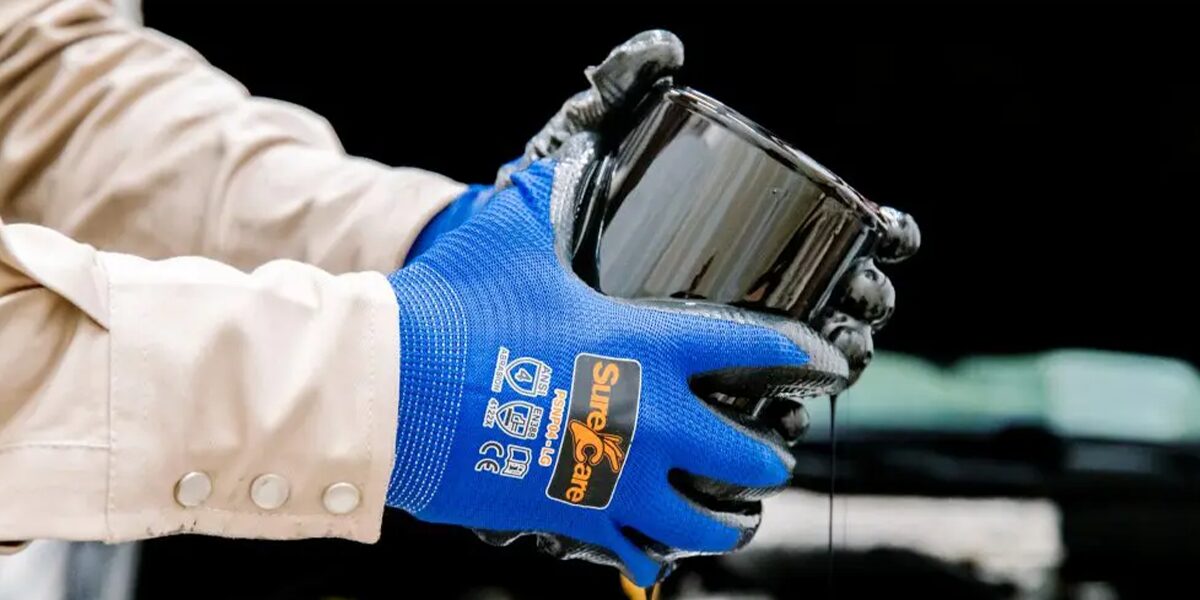
Working in the automotive industry involves continuous handling of an array of harmful liquids and chemicals, including oils, transmission fluid, coolants and grease.
Without proper protection, mechanics and other automotive professionals can experience direct skin contact with these substances, many of which can cause skin problems, ranging from mild irritation to moderate rashes, and even skin cancer.
When handling grease, it is essential to wear suitable gloves to prevent skin contact and avoid damaging your hands. However, protective gloves must also be comfortable and flexible enough to maximize workers' dexterity while they perform manual tasks.
Continue reading to discover the best automotive gloves for handling grease, so that you can fulfil your automotive duties safely and with confidence.
When handling automotive grease, it is essential to minimize skin contact, as direct and prolonged exposure can lead to various skin problems, ranging from mild to severe.
Automotive grease is typically made from a combination of base oils, thickening agents and various additives — all of which can cause damage to your skin.
The base oils used in automotive grease are typically either mineral or synthetic oils. With exposure to mineral oils strongly linked to an increased risk of nonmelanoma skin cancer, you should minimize or avoid skin contact with these base oils.
When it comes to the thickening agent, automotive greases tend to be lithium- or sodium-based, or made using calcium sulfonate. All three of these chemical ingredients are known to cause skin issues, including irritation and psoriasis.
Additives are chemical substances that are added to enhance the performance of automotive greases. The type of additive used in automotive grease depends on its intended use, and can include extreme pressure (EP) agents, rust inhibitors, friction modifiers and more. With many chemicals potentially present in vehicle grease additives, the hazards vary, and you should minimize skin contact to prevent harm.
Among others, prolonged or continued skin contact with automotive grease poses the following risks:
As an automotive professional, it is not possible to avoid handling automotive grease entirely. The only way to protect against grease-induced skin damage is therefore to wear gloves that adequately protect you from skin contact with grease while you work.
With such an array of possible risks associated with handling automotive grease, mechanics and auto technicians must find gloves that are durable, grease-resistant and suitable for extended contact with grease and other automotive substances.
When it comes to selecting the best mechanic gloves, there are several options to choose from, each with its own strengths. Before choosing your next pair of mechanic gloves, it is important to understand your available options and their respective properties.
Nitrile is a synthetic rubber often used to create automotive gloves due to its protective properties.
Nitrile gloves are renowned for their chemical and abrasion resistance, grease resistance and overall durability, making them one of the top choices for professionals in the auto industry. According to the Occupational Safety and Health Administration (OSHA), nitrile offers superior resistance against a range of oils and greases compared to other materials, including neoprene and butyl.
The benefits of nitrile gloves include:
Drawbacks of nitrile gloves:

Latex is a natural type of rubber that possesses both waterproof and elastic properties.
Latex gloves benefit from the material's elasticity and can provide a snug fit, enabling superior dexterity and comfort. Latex gloves also have high resistance to water-based chemicals and higher puncture resistance than many other common glove materials, such as vinyl.
The benefits of latex gloves include:
Drawbacks of latex gloves:
Chloroprene is a chemical commonly used to produce a synthetic rubber called neoprene.
Chloroprene gloves are renowned for their high tensile strength and durability, making them ideal for tasks that involve handling sharp or rough objects. These synthetic rubber gloves mimic the elasticity of latex gloves but have higher chemical resistance.
The benefits of chloroprene gloves include:
Drawbacks of chloroprene gloves:
Consider these factors to choose the best glove for your needs:
When choosing a pair of protective mechanic gloves, select the right size.
If you buy a pair of gloves that are too small for your hands, they will stretch too much when worn, and the material will be stressed, potentially damaging it and making it less effective at protecting your skin.
If your gloves are too big for your hands, your dexterity will be compromised, and excess material may increase the risk of damaging the gloves. Gloves that are too loose also make it easier for automotive grease and other substances to enter the gloves, rendering them useless.
The thickness of your gloves directly impacts their durability and should be determined based on your intended use of the gloves.
In general, a thickness of between 6 mil and 8 mil is recommended for workers in the automotive industry who perform general mechanical tasks. In contrast to thinner gloves, which are often disposable and non-durable, these medium-thickness gloves offer a good balance between durability and dexterity.
However, if you intend to use your protective gloves for tasks involving additional or stronger chemicals other than grease, you may want to opt for heavy-duty gloves with a thickness of 10 mil.
Both disposable and reusable gloves have their advantages. While disposable gloves offer more dexterity and sensitivity, reusable gloves tend to provide more long-term durability.
If you want to prioritize a balance of dexterity and protection over long-term use, disposable gloves are a great option for automotive workers and a popular choice in the industry.
The benefits of disposable gloves include:
One of the primary drawbacks of disposable gloves is their environmental impact.
If you want to experience the benefits of disposable gloves but would like a more sustainable option, there are gloves available that provide an effective compromise between single-use and long-lasting protection.
Gloves with a nitrile-dipped palm protect the primary area of your hand with nitrile and offer a flexible nylon knit shell for the rest of the hand, to ensure maximum dexterity for controlled movements. These gloves can last for multiple uses and offer much more control than heavy-duty or long-term gloves.
Whether you are looking for your next pair of oil change gloves or want to purchase multipurpose mechanic gloves in bulk, Glove America has an array of protective work gloves that will protect your hands from the hazards of handling automotive grease, without compromising your control.
Schedule a call with our sales team to discover our available bulk-buying options or submit a contact form to learn more about our protective products today.

Listed Sources:

We’re Here to Help
Give our representatives a call or contact us online today. We’ll be happy to assist you!
Most orders ship same day they are placed. Delivery to contiguous U.S and Canada 1-4 business days.