


The Best Gloves for Sweaty Hands
If you work in a job that requires gloves as a safety measure, there is no way around wearing them—but …
May 16, 2022
2 MIN READ


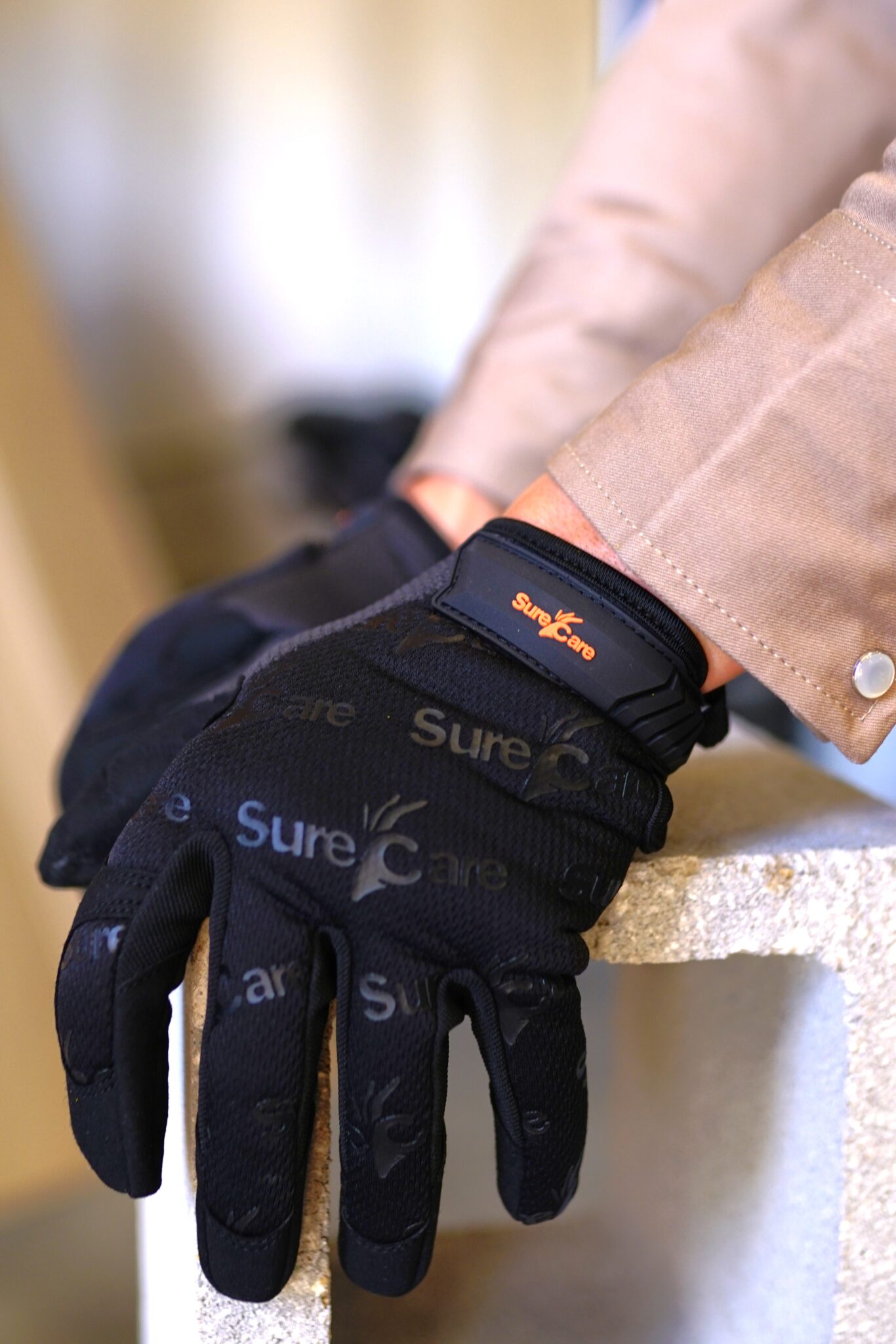
Selecting the best work gloves requires matching material, protection level, and design to specific job demands such as construction, manufacturing, or maintenance. Key factors include cut resistance, grip, comfort, durability, and thermal protection. Proper glove selection improves safety, efficiency, and long-term value while reducing replacement costs and workplace risk.
Finding the best work gloves starts with identifying the exact demands of the job. Gloves used in construction, manufacturing, or maintenance face very different conditions from those used in light-duty environments.
Buyers who focus on performance requirements rather than general categories make stronger purchasing decisions.
Work gloves function as a direct barrier between hands and workplace hazards. That barrier must match the risks involved. Abrasion, sharp materials, extreme temperatures, and repetitive motion all place different demands on glove construction.
Matching glove type to application improves both safety and efficiency.
Every worksite presents unique challenges.
Construction crews handle rough materials such as lumber, metal, and concrete. Mechanics deal with oils, solvents, and tight spaces. Warehouse teams manage repetitive lifting and package handling.
This is where thoughtful work glove selection becomes imperative. A glove that performs well in one environment may fail quickly in another. Buyers must evaluate how gloves will be used throughout a full shift rather than focusing on a single task.
For example, heavy-duty jobs require thicker materials that resist wear. Precision tasks benefit from gloves that allow better finger movement and control. Identifying these needs early prevents costly mismatches.
Glove material defines how it performs under pressure. Each type offers specific strengths suited to certain applications.
Leather remains a trusted choice for rugged work. Leather work gloves offer strong resistance to abrasion and heat, making them ideal for welding, construction, and outdoor labor. They also provide a natural grip that improves handling of rough materials.
Synthetic materials bring different advantages. Nitrile coatings improve grip and resist oils, while fabric blends heighten flexibility. These gloves work well in environments that require both protection and dexterity.
Disposable options also serve a purpose. Tasks involving contamination control or short-duration handling rely on disposable gloves for quick changes and hygiene compliance. While not designed for heavy-duty work, they support specific operational needs.
Sharp materials introduce one of the most serious workplace hazards. Metal edges, glass, and cutting tools require gloves that can resist penetration.
Cut-resistant gloves are engineered with fibers designed to reduce the risk of injury. These gloves are rated based on their ability to withstand cutting force, allowing buyers to choose the appropriate level of protection.
Selecting the correct rating depends on the severity of exposure. Light handling tasks may require lower protection, while industrial cutting operations demand higher resistance. Overlooking this detail can lead to unnecessary risk.
Grip affects both safety and productivity. Workers who cannot maintain a secure hold on tools or materials face higher accident risk and reduced efficiency.
Textured surfaces, coated palms, and material composition all influence grip performance. Gloves used in wet or oily conditions must maintain traction under those circumstances. Dry environments may allow for simpler designs.
Choosing gloves with appropriate grip characteristics prevents dropped materials and supports a smoother workflow across tasks.
Comfort directly affects worker performance. Gloves that fit poorly cause fatigue, reduce control, and increase the likelihood of removal during tasks.
A proper fit allows natural hand movement without excessive tightness or looseness. Workers who wear gloves for extended periods benefit from breathable materials that reduce heat buildup.
Sizing consistency also matters in bulk purchasing. Each pair must match expected dimensions to maintain comfort across entire teams. Differences in fit can disrupt workflow and create unnecessary frustration.
Outdoor work introduces temperature challenges that standard gloves cannot handle. Cold environments require insulation without sacrificing mobility.
This is where the warmest work gloves come into consideration. Insulated designs protect against low temperatures while maintaining enough flexibility for tool handling. Workers exposed to winter conditions rely on this balance to maintain productivity.
Thermal protection should match the severity of exposure. Overly bulky gloves can reduce dexterity, while insufficient insulation leads to discomfort and reduced efficiency.
Work gloves must withstand repeated use without failing prematurely. Durability depends on both material quality and construction methods.
Reinforced stitching, layered materials, and consistent thickness all contribute to longer glove life. Buyers who prioritize durability reduce replacement frequency and maintain stable supply usage.
In high-volume operations, glove failure can interrupt workflow and increase costs. Selecting gloves designed for extended use supports better long-term performance.
Construction environments place considerable demands on gloves. Workers handle heavy materials, operate tools, and face constant abrasion.
Choosing the best work gloves for construction requires attention to any number of things. Protection, grip, and durability must work together without limiting movement. Gloves that meet these requirements support safer and more efficient jobsite operations.
Industrial settings present similar challenges, often with added exposure to chemicals or machinery. Matching gloves to these conditions reduces risk and improves consistency across tasks.
Businesses rely on a steady glove supply to maintain operations. Running short or receiving inconsistent products disrupts workflow and increases risk.
Bulk ordering allows companies to manage inventory more effectively. However, this approach depends on supplier reliability. Each shipment must meet the same standards for material quality, sizing, and performance.
Buyers should prioritize suppliers with strong inventory levels and proven consistency. Reliable supply chains support uninterrupted operations and predictable costs.
Price alone should not drive purchasing decisions. Lower-cost gloves may fail quickly, leading to higher replacement rates and increased downtime.
High-quality gloves deliver better performance and a longer lifespan. This reduces total cost over time while improving worker satisfaction and safety.
Evaluating long-term value rather than upfront pricing leads to stronger procurement decisions.
GloveAmerica supplies businesses that depend on durable, high-performing gloves every day. Our product range includes options designed for construction, industrial work, and specialized applications where reliability matters.
We maintain a large in-stock inventory, allowing us to ship quickly and keep operations running without interruption. Orders placed before 3 PM qualify for same-day shipping, supporting businesses that cannot afford delays.
Our factory-direct pricing helps control supply costs without sacrificing quality. With over 27 years of experience, GloveAmerica knows what works in real jobsite conditions. Our clients continue to rely on us because our gloves perform consistently across every order.
If you have questions about choosing the right gloves for your operation or need to place a bulk order, feel free to contact us today. We are ready to help you find the right solution.
Most manufacturers provide sizing charts based on hand measurements. Consistent sizing across bulk orders helps maintain comfort and performance.
Some gloves offer versatility, but specialized tasks often require specific materials or protection levels for optimal performance.
Replacement depends on usage and wear. Gloves should be replaced when they show signs of damage or reduced performance.

We’re Here to Help
Give our representatives a call or contact us online today. We’ll be happy to assist you!
Most orders ship same day they are placed. Delivery to contiguous U.S and Canada 1-4 business days.