



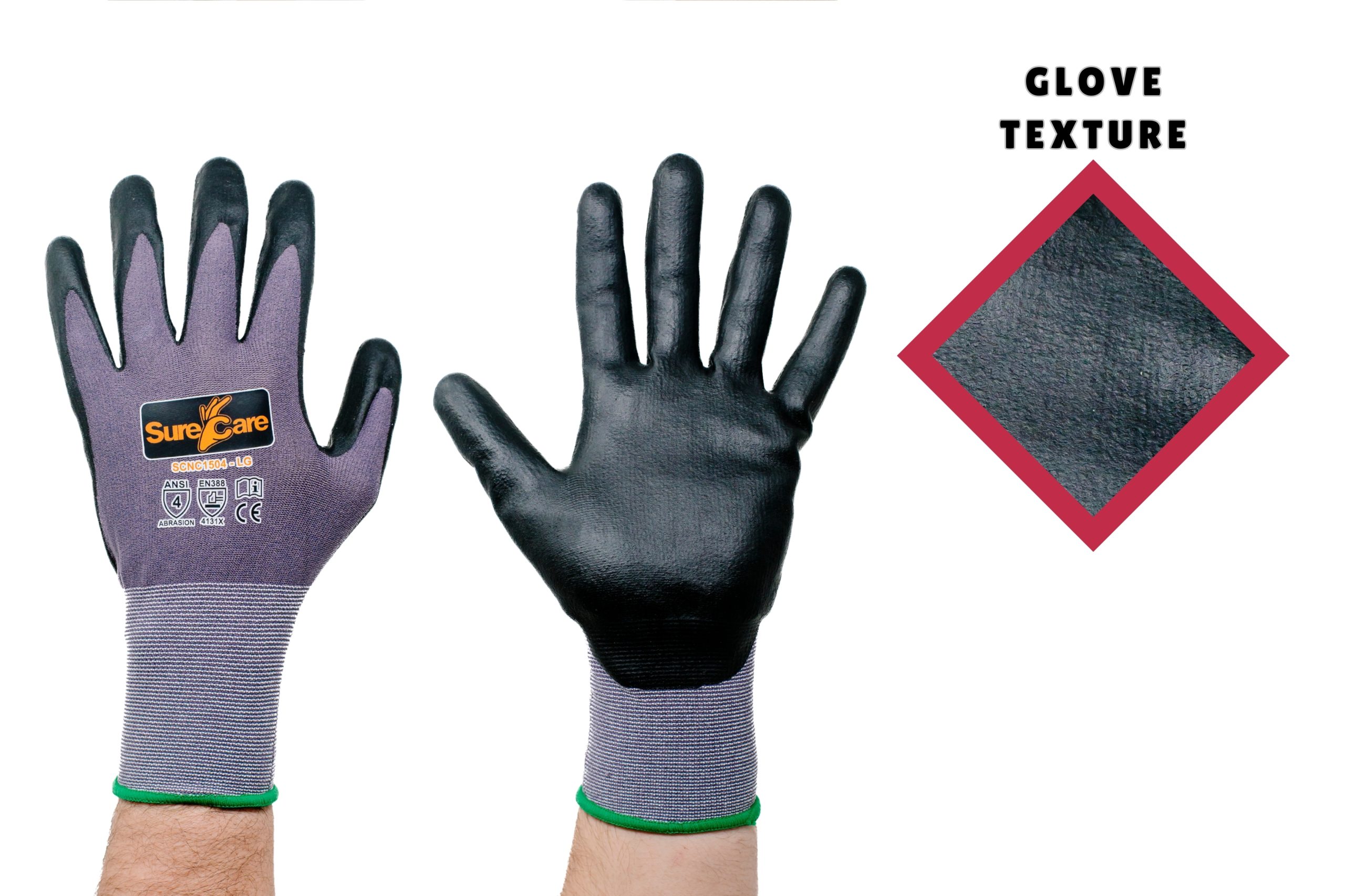
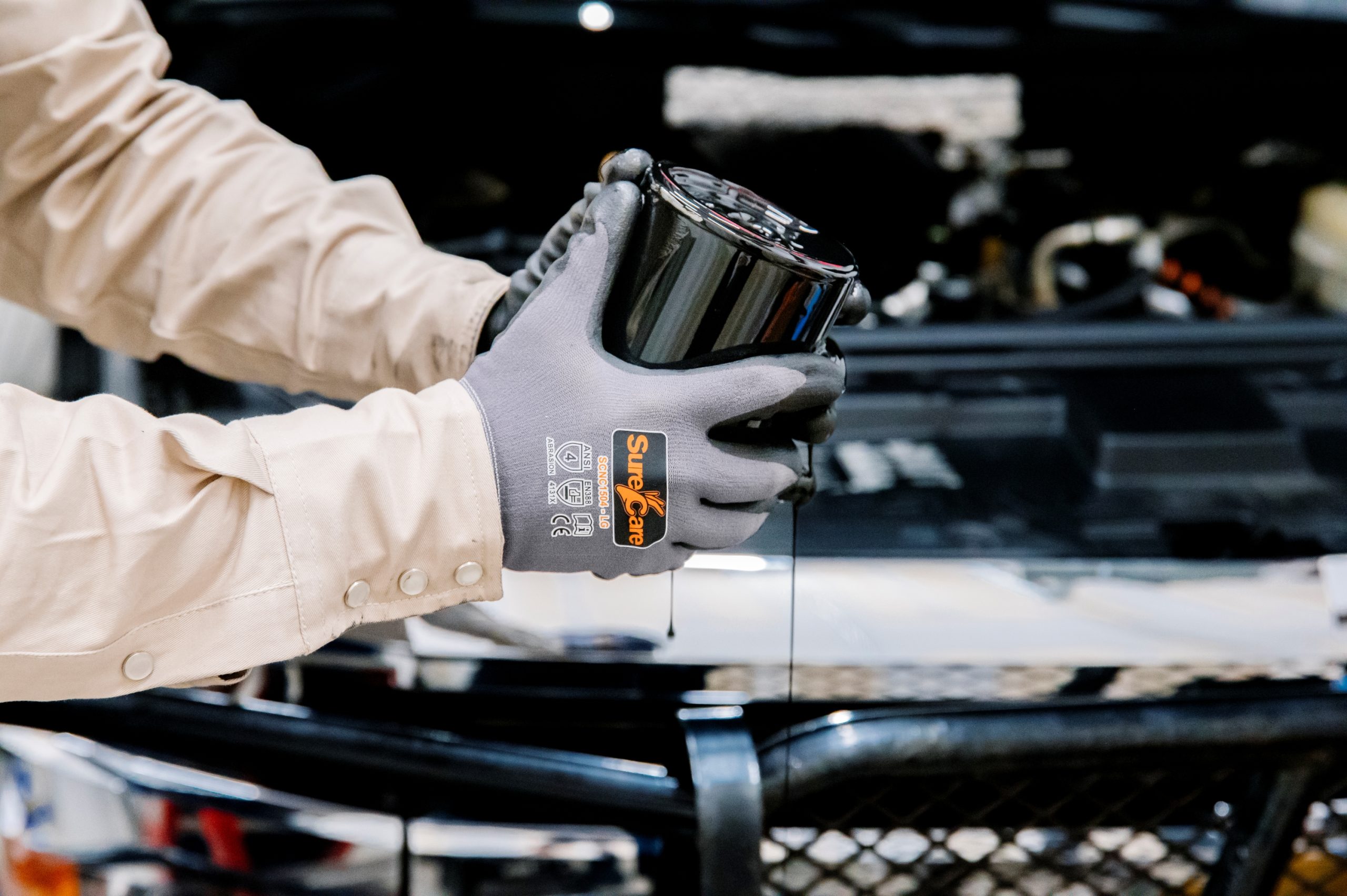


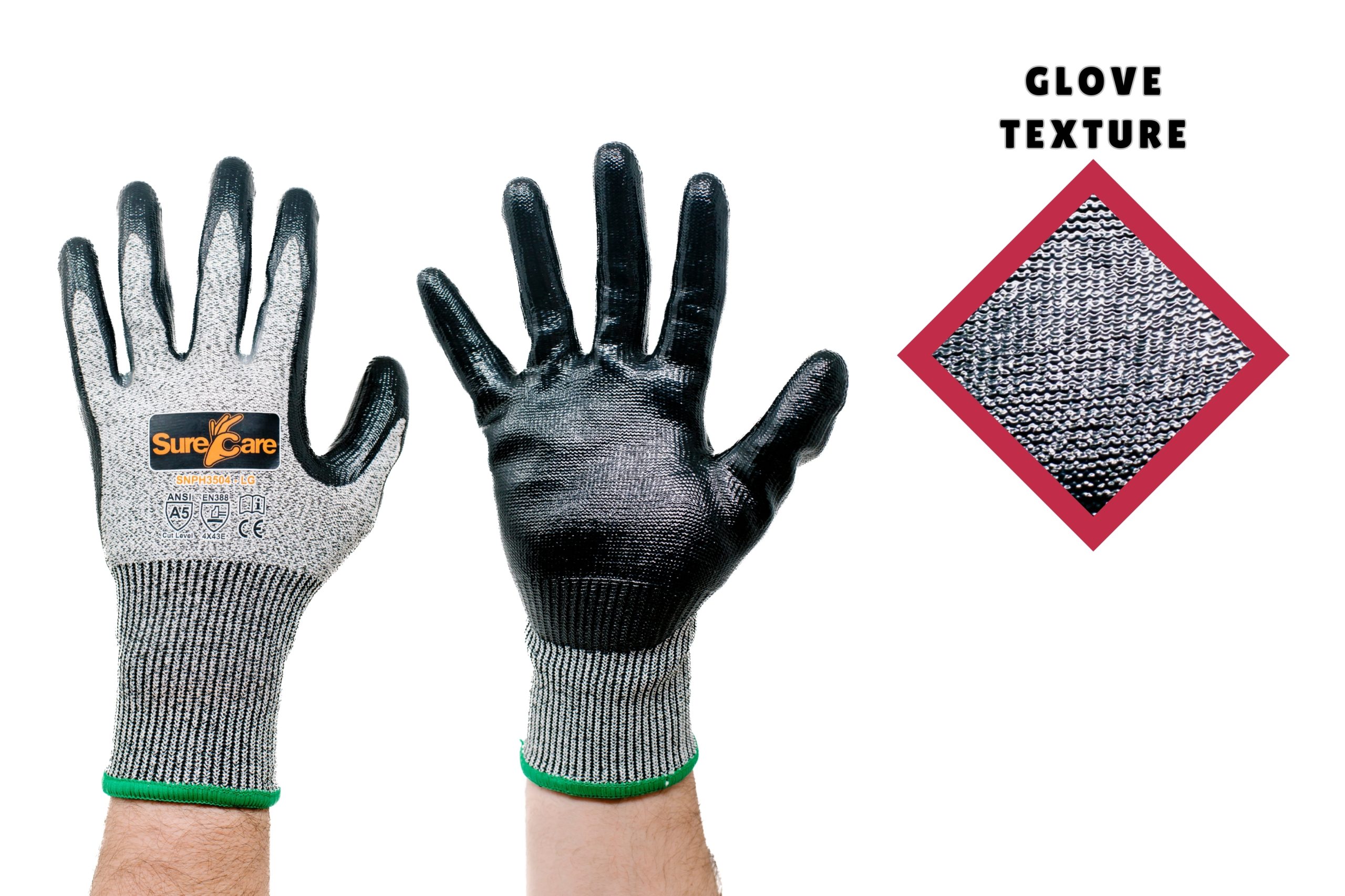
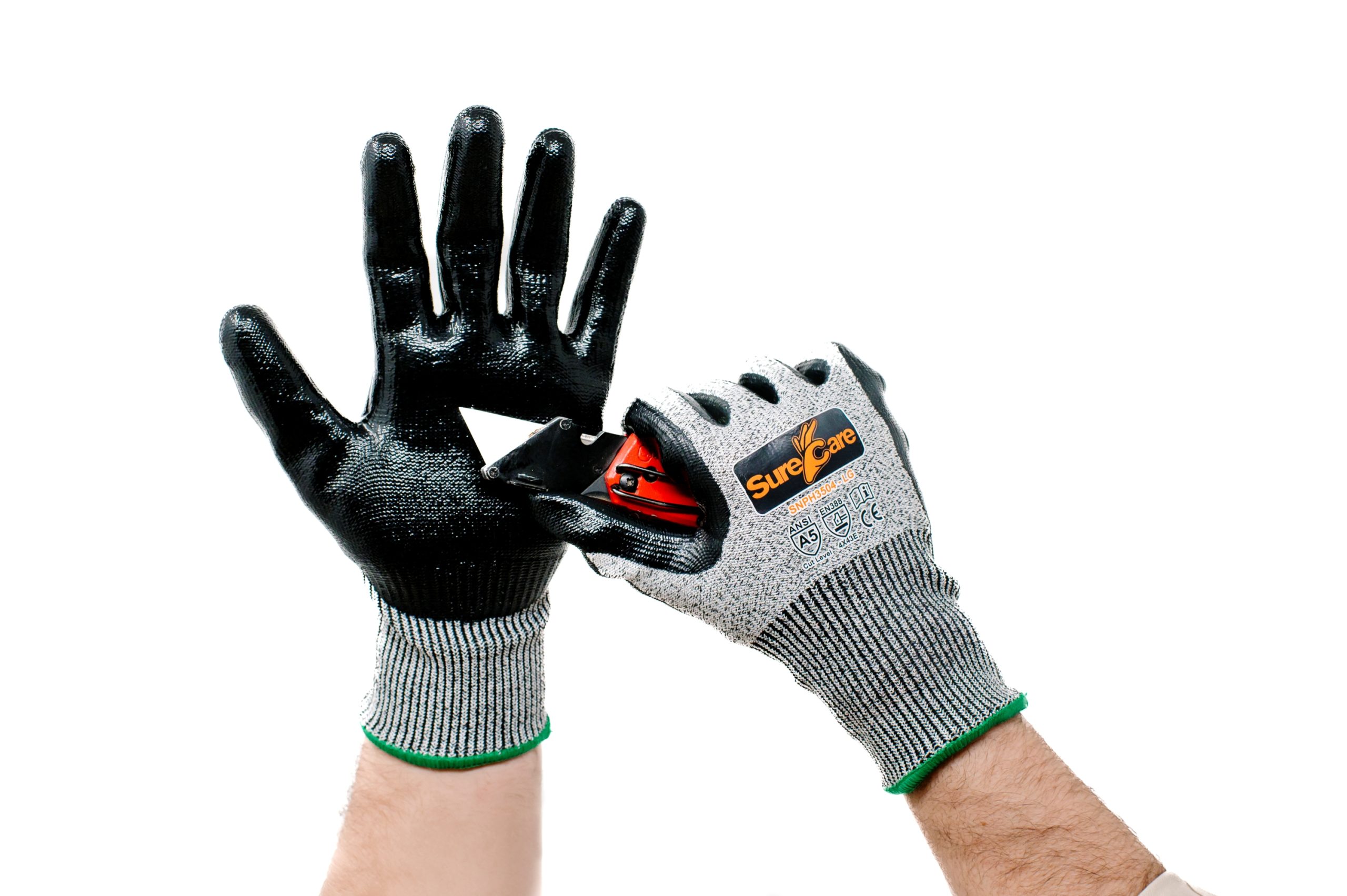


They are used when workers may handle cleaners, oils, solvents, chemicals, or materials that require a protective glove barrier.
FREE SHIPPING on orders of $100 or more! (Continental US Only. Free Shipping on $250 or more for AK, HI, PR & Canada)


Chemical Resistant Gloves are designed for tasks where workers may come into contact with cleaning agents, solvents, oils, acids, bases, or other substances that require added hand protection. The right glove helps create a barrier between the skin and the material being handled. Because chemicals vary widely, selecting the correct glove material is an important part of safe work planning.
Chemical resistant gloves are used in laboratories, manufacturing, janitorial work, maintenance, automotive environments, food processing, and industrial operations. They may be made from different materials, including nitrile, latex, vinyl, neoprene, PVC, or butyl, depending on the intended application. No single glove material is right for every chemical, which is why users should always review product specifications and compatibility information.
At Glove America, we offer hand protection options for many professional environments where chemical contact, splash exposure, or messy work may be a concern. Some gloves are disposable and made for short tasks, while others are reusable and designed for longer or more demanding work. Choosing the correct thickness, cuff length, grip, and material helps workers stay better protected while maintaining practical hand movement.
The primary benefit of chemical resistant gloves is barrier protection. When workers choose a glove that is appropriate for the chemical and task, it can help reduce direct skin exposure during handling, cleaning, mixing, transfer, or maintenance work. Many gloves also provide grip support, making it easier to control wet or slippery items.
Chemical resistant gloves can also help businesses organize PPE by task. For example, one team may need disposable nitrile gloves for short-duration contact, while another may need heavier reusable gloves for harsher materials. Having the right options available can support safer workflows and reduce the chance that employees use the wrong glove for the job.

Material options for different chemical exposure needs, helping reduce direct skin contact.
Disposable and reusable choices for different tasks and exposure durations.
Textured grip for wet, oily, or slippery surfaces during handling and cleanup.
Different thicknesses and cuff lengths for added coverage against splash and contact.
Professional options for industrial, lab, and cleaning work environments.
Glove America helps businesses source gloves and PPE that fit real workplace requirements. We understand that chemical handling requires careful product selection, and we encourage customers to match glove material to the substance, exposure time, and work conditions. Our team can help customers compare available glove types and order the supplies needed for ongoing operations.
With a broad selection of disposable gloves, work gloves, PPE, and safety products, Glove America supports professional users who need reliable supply, competitive pricing, and efficient shipping from a central U.S. location.
For teams ordering Chemical Resistant Gloves, it is helpful to consider how the product will be stored, who will use it, and how frequently it will need to be replaced. Good PPE planning is not only about buying the right item once. It is also about keeping enough inventory available so workers do not have to substitute a product that is not right for the task.
Glove America can support customers who need Chemical Resistant Gloves for one department, multiple locations, seasonal demand, or recurring purchasing. By matching the product to the application and ordering needs, businesses can create a smoother supply process and keep employees prepared for daily work.
To learn more about our Chemical Resistant Gloves, feel free to contact us today.

We’re Here to Help
Get affordable chemical resistant gloves in bulk from Glove America. Place your order online today or get in touch with us if you have questions. Our customer service team is ready to help.
They are used when workers may handle cleaners, oils, solvents, chemicals, or materials that require a protective glove barrier.
No. Chemical resistance depends on the glove material, thickness, chemical type, and exposure time.
Some disposable gloves provide resistance for certain light-duty tasks, but heavier or reusable gloves may be needed for harsher chemicals.
Review chemical compatibility, glove material, thickness, cuff length, grip, and intended use before ordering.